
Dental crowns are one of the most common restorative dental treatments used to repair and protect damaged teeth, improve aesthetics, and restore functionality. In Islamabad, the demand for dental crowns has been steadily increasing as more people seek solutions for dental decay, trauma, or cosmetic imperfections. Understanding the different types of dental crowns available is essential for patients who want to make informed choices tailored to their dental needs and budget. If you're looking for durable and natural-looking dental crowns in Islamabad, our expert dentists provide top-quality care tailored to your needs.
This article provides an overview of the main types of dental crowns offered in Islamabad, highlighting their benefits, disadvantages, and ideal use cases.
What Are Dental Crowns?
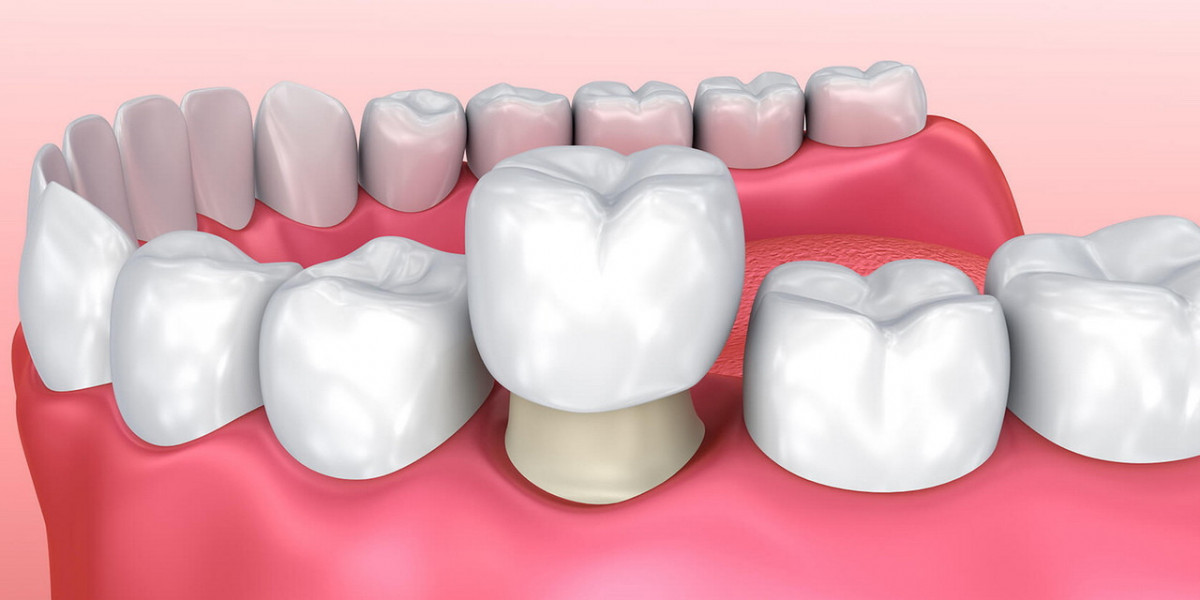
A dental crown is essentially a “cap” that covers a tooth to restore its shape, size, strength, and appearance. Crowns protect weakened teeth from further damage, support large fillings, and enhance the look of teeth that are discolored or misshapen. They are commonly recommended after root canal treatments or for teeth that have been severely worn down.
Types of Dental Crowns in Islamabad
1. Porcelain Crowns
Porcelain crowns are among the most popular choices for dental restorations in Islamabad, especially for front teeth. These crowns are made from high-quality ceramic materials that closely mimic the color and translucency of natural teeth. Porcelain crowns offer excellent aesthetics, making them ideal for patients seeking to improve their smile’s appearance.
Advantages:
Highly natural appearance
Resistant to staining
Biocompatible and gentle on surrounding gums
Disadvantages:
Less durable than metal or zirconia crowns, prone to chipping under heavy biting forces
May not be the best choice for molars that endure significant pressure
Porcelain crowns are often used in cosmetic dentistry, including smile makeovers, where appearance is a priority.
2. Zirconia Crowns
Zirconia crowns have gained tremendous popularity in Islamabad due to their exceptional strength and durability combined with a natural appearance. Zirconia is a type of advanced ceramic that is incredibly tough yet aesthetically pleasing. These crowns are suitable for both front and back teeth.
Advantages:
Superior strength and fracture resistance
Natural-looking and can be color-matched
Biocompatible and less likely to cause allergic reactions
Resistant to wear and chipping
Disadvantages:
Can sometimes appear slightly opaque compared to porcelain, which may be less ideal for highly visible front teeth in some cases
More expensive than porcelain-fused-to-metal crowns
Zirconia crowns are an excellent all-round option for patients seeking durability without compromising too much on aesthetics.
3. Porcelain-Fused-to-Metal (PFM) Crowns
PFM crowns combine the strength of a metal core with a porcelain outer layer that mimics the appearance of natural teeth. This hybrid crown type has been widely used for decades and remains common in many dental clinics in Islamabad.
Advantages:
Stronger than all-porcelain crowns due to the metal substructure
More affordable than zirconia crowns
Suitable for both front and back teeth
Disadvantages:
Porcelain layer may chip or wear away over time
Metal underneath can sometimes show as a dark line near the gum, affecting aesthetics
Slight risk of allergic reaction to metal in sensitive patients
PFM crowns strike a balance between strength and appearance but may not be the best choice if aesthetics are the highest priority.
4. All-Metal Crowns
All-metal crowns are made entirely of metals like gold, palladium, or base metal alloys. These crowns are extremely strong and durable, making them ideal for molars that undergo heavy chewing forces.
Advantages:
Outstanding durability and wear resistance
Minimal tooth reduction required during preparation
Less likely to fracture or wear down opposing teeth
Disadvantages:
Poor aesthetics due to metallic color
Not suitable for visible front teeth or cosmetic restorations
While all-metal crowns are less common for visible teeth, they remain a reliable option for posterior restorations where function outweighs appearance.
5. Temporary Crowns
Temporary crowns are used as short-term solutions while a permanent crown is being fabricated. These are typically made of acrylic or composite resin.
Advantages:
Protect the prepared tooth and maintain function temporarily
Prevent sensitivity and discomfort between appointments
Disadvantages:
Not as durable as permanent crowns
Prone to chipping or falling off if not handled carefully
Temporary crowns are an essential part of the treatment process but should not be considered a long-term solution.
Choosing the Right Crown in Islamabad
Selecting the ideal dental crown depends on several factors including:
Location of the tooth: Front teeth require highly aesthetic crowns (usually porcelain or zirconia), while molars may benefit from stronger materials like metal or zirconia.
Bite force: Patients who grind their teeth or have a strong bite may need more durable materials like zirconia or metal.
Budget: Porcelain-fused-to-metal crowns are often more affordable, while zirconia and all-ceramic crowns may cost more.
Allergies or sensitivities: Metal allergies can limit crown options, making ceramic or zirconia crowns preferable.
Cosmetic goals: If improving the appearance of your smile is the primary goal, porcelain or zirconia crowns offer the best aesthetics.
Final Thoughts
Islamabad offers a wide variety of dental crown options, supported by skilled dentists and modern dental technology. Whether you need a crown for restorative purposes or a smile makeover, understanding the different types of crowns will empower you to make an informed decision.