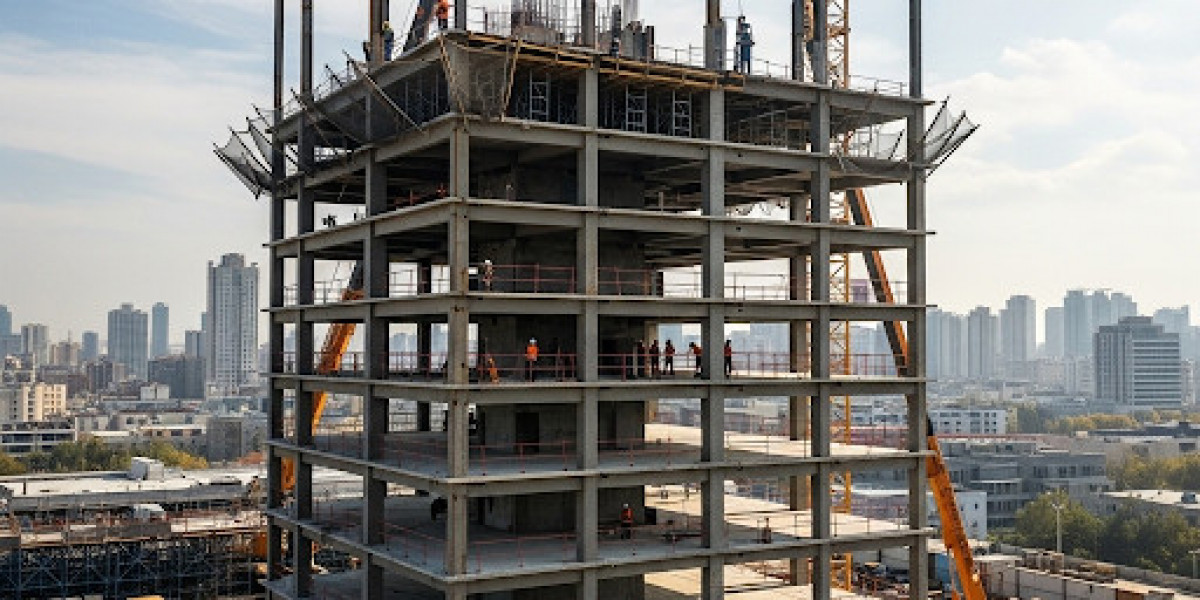

Structure construction is the backbone of the built environment. From towering skyscrapers to humble homes, bridges, and industrial complexes, every physical structure begins with a foundational process that brings ideas into tangible, functional forms. As urbanization accelerates globally and technology continues to evolve, understanding the dynamics of structure construction is more important than ever.
In this article, we’ll explore the fundamentals of structure construction, including types of structures, materials used, stages of construction, modern technologies, sustainable practices, and industry trends. Whether you’re a developer, architect, civil engineer, or a homeowner looking to build, this comprehensive guide offers valuable insights.
What is Structure Construction?
Structure construction refers to the process of building infrastructure, buildings, or any physical framework that can support a load and resist forces. This process includes everything from site planning and design to the execution of construction tasks such as excavation, foundation laying, framing, and finishing.
Structures can be categorized based on their function:
Residential Structures: Houses, apartments, condominiums
Commercial Structures: Offices, malls, hotels
Industrial Structures: Factories, warehouses
Institutional Structures: Schools, hospitals, government buildings
Infrastructure Projects: Bridges, tunnels, highways
Key Stages of Structure Construction
The construction process is a systematic progression of steps that transform architectural blueprints into physical entities. Here are the main phases:
1. Planning and Design
This phase involves defining the scope, purpose, and design of the structure. It includes:
Feasibility Studies
Architectural and Structural Design
Cost Estimation and Budgeting
Obtaining Permits and Approvals
2. Site Preparation
The construction site is cleared and prepared for building activities. This includes:
Land surveying
Soil testing
Excavation and grading
Setting up temporary utilities and fencing
3. Foundation Construction
The foundation is one of the most critical elements. It supports the load and transfers it to the ground. Common types of foundations include:
Shallow Foundations (spread footings, slab-on-grade)
Deep Foundations (piles, caissons)
4. Structural Framing
The skeleton of the building is erected using steel, concrete, wood, or composite materials. This framework supports walls, floors, and the roof.
5. Enclosure and Roofing
This step involves building exterior walls, installing doors and windows, and roofing to weatherproof the structure.
6. Mechanical, Electrical, and Plumbing (MEP)
These systems are installed to provide essential utilities:
Heating and Cooling (HVAC)
Electrical Wiring and Lighting
Water Supply and Drainage
7. Interior Finishes
Walls are painted, flooring is installed, and fixtures are mounted to give the building its finished appearance.
8. Final Inspection and Handover
Regulatory bodies inspect the structure to ensure it meets safety and code requirements. Upon approval, the building is handed over to the owner.
Types of Construction Structures
Structure construction can vary based on the intended use, design complexity, and load-bearing requirements. Common structural types include:
1. Load-Bearing Structures
These use walls to carry the load from the roof and upper floors. Common in residential construction.
2. Framed Structures
These rely on beams and columns to bear the load, allowing for more open interior spaces.
3. Shell Structures
Characterized by their curved surfaces, such as domes or barrel vaults, used in modern architecture and sports facilities.
4. Pre-Engineered Structures
These are fabricated off-site and assembled on-site, offering faster construction and reduced labor costs.
Common Construction Materials
Selecting the right material is crucial for strength, durability, cost-efficiency, and aesthetics. Key construction materials include:
1. Concrete
Strong in compression and used extensively in foundations, slabs, and high-rise buildings.
2. Steel
Known for its tensile strength and flexibility. Ideal for framing and large commercial structures.
3. Wood
Affordable and easy to work with. Common in residential and low-rise construction.
4. Bricks and Blocks
Traditional and widely used for walls and facades due to their durability and insulation properties.
5. Glass and Aluminum
Used for modern architectural aesthetics, especially in curtain walls and facades.
Technological Advancements in Structure Construction
Construction technology is revolutionizing how structures are built—making them faster, safer, and more sustainable. Notable innovations include:
1. Building Information Modeling (BIM)
BIM allows collaborative design using 3D modeling, helping stakeholders visualize, analyze, and plan efficiently.
2. Drones and Site Monitoring
Drones are used for surveying, inspection, and progress tracking, enhancing accuracy and safety.
3. 3D Printing
Large-scale 3D printers can now print walls and components, cutting down time and material waste.
4. Prefabrication and Modular Construction
Components are manufactured off-site and assembled on-site, improving efficiency and quality control.
5. AI and Machine Learning
AI tools predict risks, optimize scheduling, and enhance decision-making in large-scale projects.
Sustainable Practices in Structure Construction
Sustainability in construction is no longer optional—it’s essential. Eco-conscious practices ensure minimal environmental impact, energy efficiency, and long-term viability. Some strategies include:
1. Green Building Materials
Using recycled steel, bamboo, fly ash concrete, and low-VOC paints reduces environmental harm.
2. Energy-Efficient Designs
Incorporating passive solar design, insulation, and LED lighting reduces operational energy usage.
3. Water Conservation
Rainwater harvesting and greywater recycling are integrated into modern designs.
4. Waste Management
Construction debris is sorted, recycled, or reused to minimize landfill contribution.
5. LEED Certification
Buildings following Leadership in Energy and Environmental Design (LEED) guidelines gain recognition and long-term cost benefits.
Challenges in Structure Construction
Despite its advancement, the construction industry faces several challenges:
Labor Shortages: Skilled labor is in short supply in many regions.
Cost Overruns: Budgeting issues and unforeseen changes can inflate costs.
Delays: Weather, supply chain disruptions, and regulatory hurdles can cause project delays.Safety Risks: Construction sites are inherently dangerous, requiring strict safety protocols.
Future Trends in Structure Construction
The construction industry is rapidly evolving. Here are some trends shaping the future:
1. Smart Buildings
Integration of IoT sensors and automation for energy management, security, and occupant comfort.
2. Sustainable Urbanization
Eco-cities and green infrastructure are growing to counter rapid urban sprawl.
3. Carbon-Neutral Construction
Focus on reducing emissions through better materials, renewable energy, and carbon capture.
4. Digital Twin Technology
A virtual replica of the structure enables real-time monitoring and predictive maintenance.
5. Robotics and Automation
Robots are increasingly used for repetitive and high-risk tasks like bricklaying and welding.
Conclusion
Structure construction is a multifaceted discipline that blends engineering, architecture, project management, and environmental science. From design to execution, every step requires careful planning, skilled labor, and advanced technology to deliver safe, durable, and sustainable structures.
As we move towards smarter cities and greener buildings, embracing innovation and sustainability in construction will be key to building a better future. Whether you're embarking on a small residential project or a large infrastructure development, understanding the principles and trends in structure construction will help you make informed decisions and ensure project success.
Frequently Asked Questions (FAQs)
1. What is the most common material used in structure construction?
Concrete is the most commonly used material due to its strength, availability, and cost-effectiveness.
2. How long does it take to construct a building?
Timelines vary depending on size and complexity. Residential homes can take 6–12 months, while large commercial buildings may take 1–3 years.
3. What are the top sustainable materials used in construction?
Bamboo, recycled steel, rammed earth, fly ash concrete, and reclaimed wood are popular sustainable choices.
4. How do I ensure my construction project stays on budget?
Effective budgeting, regular audits, contingency planning, and experienced project management help control costs.
5. What is the role of a structural engineer?
A structural engineer designs the framework, ensures safety and stability, and evaluates the strength of materials used.