
Sexually transmitted diseases (STDs) are a growing concern worldwide, and accurate testing is a key part of early detection, treatment, and prevention. Whether someone is experiencing symptoms or simply wants peace of mind, choosing the right Std Test Dubai matters. But with several types of tests available, one common question arises: Which STD test is the most accurate?
This article offers a deep dive into the accuracy of various STD tests, the factors that influence their reliability, and how individuals can ensure they receive dependable results.
Understanding Accuracy in STD Testing
What Accuracy Really Means in an STD Test
When talking about how “accurate” an STD test is, two terms are often used—sensitivity and specificity. Sensitivity refers to the ability of a test to correctly identify those with an infection. Specificity refers to its ability to rule out those without the infection. A highly accurate test scores high in both areas, meaning fewer false negatives and false positives.
Different infections require different testing approaches, so understanding the method used for each STD is key to trusting the results.
Types of STD Tests and Their Reliability
Blood Tests
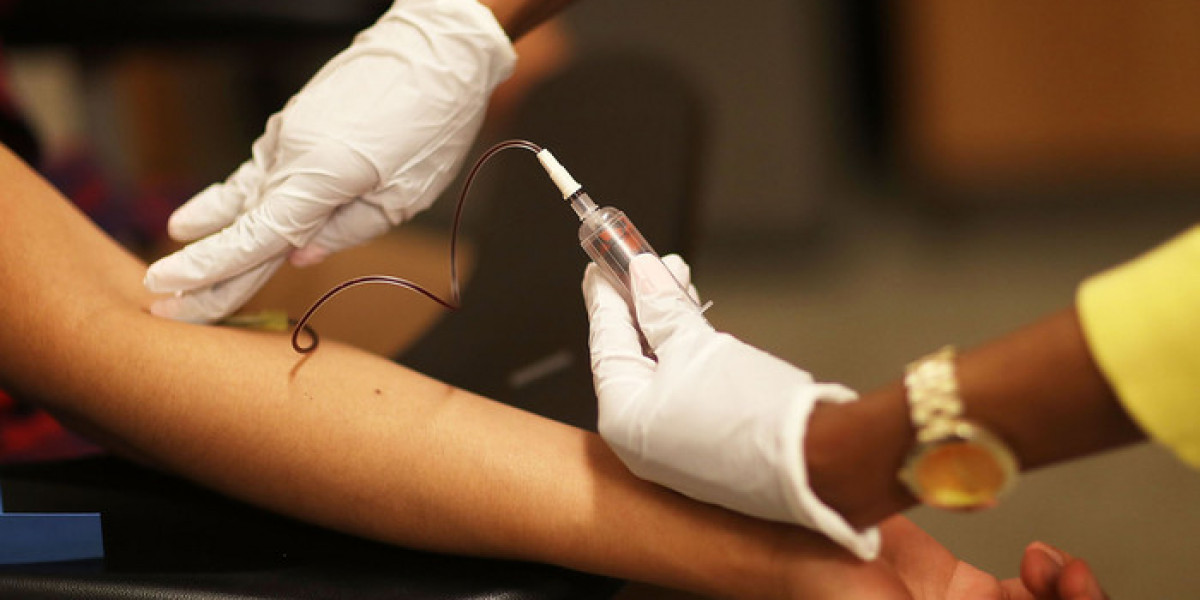
Blood tests are widely used for infections such as HIV, syphilis, and hepatitis. For HIV, fourth-generation antigen/antibody tests are considered highly accurate. These can detect the virus earlier than previous methods by identifying both antibodies and p24 antigens. Blood tests for syphilis are also reliable and often include two types: a screening test and a confirmatory test.
Urine Tests
Urine-based STD testing is commonly used for bacterial infections such as chlamydia and gonorrhea. These tests are non-invasive and convenient, especially for those who may be uncomfortable with swab testing. When done properly and at the right time after exposure, urine tests offer high accuracy, especially for detecting urethral infections.
Swab Tests
Swab samples are taken from the throat, rectum, vagina, or cervix, depending on the area of exposure. Swab tests are often used to detect chlamydia, gonorrhea, trichomoniasis, herpes (via lesion swab), and HPV. These are highly accurate when collected properly and analyzed using nucleic acid amplification testing (NAAT), which is considered the gold standard for many bacterial STDs.
Rapid Tests
Rapid STD tests provide results within minutes and are commonly used for HIV and syphilis. While they offer convenience and can be useful in emergency or mobile settings, they may not always be as sensitive as laboratory-based testing. For positive rapid results, follow-up confirmation testing is usually recommended.
Most Accurate STD Tests by Infection Type
HIV
The fourth-generation HIV test is considered one of the most accurate and is often the first line of testing. It can detect HIV as early as two weeks after exposure, thanks to its ability to identify both antibodies and antigens. RNA tests are even more sensitive and can detect the virus before antibodies are formed, although they are typically used in special cases.
Syphilis
Testing for syphilis generally involves two steps: a screening test (such as the RPR test) and a confirmatory test (like the FTA-ABS). Together, they provide high accuracy in detecting both early and late-stage infection.
Chlamydia and Gonorrhea
NAAT tests are considered the most accurate for detecting these bacterial infections. Whether performed on urine or swab samples, NAAT has excellent sensitivity and specificity. This makes it highly reliable even in asymptomatic cases.
Herpes
Herpes simplex virus (HSV) testing can be a bit more complex. A swab test from an active sore is the most accurate method during an outbreak. Blood tests that detect HSV antibodies are available, but they cannot determine the location of the infection and may miss early-stage infections.
HPV
Human papillomavirus (HPV) testing is most accurate through cervical swabs analyzed for high-risk virus strains. This is usually done during a Pap smear for women. Although there is no standard STD test for HPV in men, research continues to develop more accurate options.
Factors That Affect STD Test Accuracy
Timing of the Test
One of the most critical factors in an STD test’s accuracy is when it is taken. Each infection has its own window period—the time between exposure and when it can be reliably detected. Testing too soon may result in false negatives. It's essential to understand these time frames and test accordingly.
Sample Collection
Improper sample collection can lead to inaccurate results. Whether it's a swab, urine, or blood sample, following instructions carefully is essential. Lab technicians also play a role in ensuring the test is handled and processed correctly.
Type of Test Used
Different tests vary in quality. For example, lab-based NAAT or PCR tests are more reliable than older methods like culture tests. Choosing the right kind of test for the suspected infection greatly improves reliability.
Individual Health Conditions
Underlying health issues, immune status, and past exposure to infections can all affect how the body produces antibodies or how the infection presents itself. This can sometimes interfere with test results.
Choosing the Right STD Test for Accurate Results
Comprehensive Screening
When someone is unsure which infection they may have been exposed to, comprehensive STD test panels that include multiple types of infections are recommended. This ensures that no major infection is overlooked.
Knowing Risk Factors
Choosing the right STD test also depends on the individual’s sexual history and risk factors. For example, someone with multiple partners or engaging in unprotected sex may benefit from more frequent or broader testing.
Following Up with Retesting
In some cases, especially if symptoms develop after a negative test or if exposure was recent, retesting is wise. This accounts for the possibility of a test being done too early.
Conclusion: Trusting the Right STD Test
The question of which Std Test in Dubai is the most accurate doesn’t have a one-size-fits-all answer. It depends on the type of infection, the test method, and when the test is taken. Laboratory-based blood tests, NAATs, and fourth-generation antigen/antibody tests consistently rank among the most reliable.
Choosing the right STD test should be guided by accurate information, proper timing, and a thoughtful review of one’s health status. Accurate testing is more than just a result—it’s the first step toward protecting personal health and that of others.
Whether someone is concerned about a specific exposure or simply wants to be proactive, accurate STD testing offers reassurance, clarity, and control over one’s sexual health.