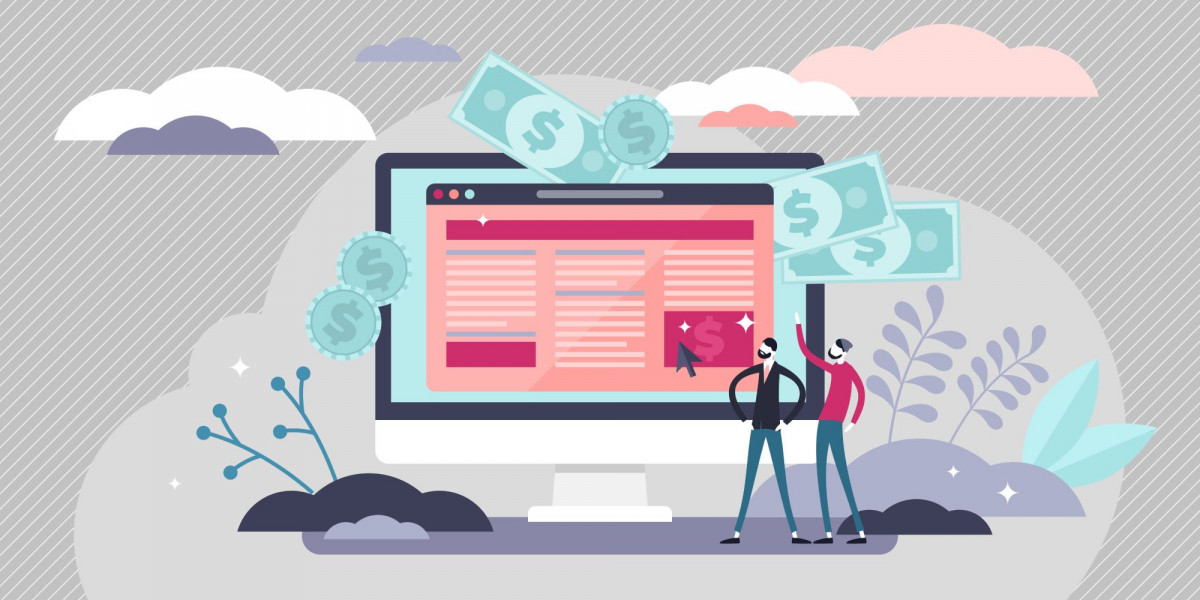

In the competitive landscape of event planning, event monetization has become a crucial strategy for maximizing revenue and ensuring the sustainability of future events. From concerts and festivals to conferences and trade shows, understanding how to effectively monetize an event can make a significant difference in overall success. This article will explore the best practices for event monetization, offering insights into diverse revenue streams, effective marketing strategies, and tools for tracking success.
1. Understanding Event Monetization
Event monetization refers to the various methods and strategies used to generate revenue from events. This can include ticket sales, sponsorships, merchandise, streaming, and more. The goal is to create a sustainable financial model that allows organizers to cover costs and generate profit while providing value to attendees.
A. The Importance of a Monetization Strategy
Having a well-thought-out monetization strategy is essential. It enables event planners to:
- Cover operational costs
- Invest in future events
- Enhance the attendee experience
- Build brand reputation and loyalty
2. Diverse Revenue Streams
To achieve effective event monetization, it’s essential to explore multiple revenue streams. Here are some of the most common methods:
A. Ticket Sales
1. Tiered Pricing
Implementing tiered pricing can attract a broader audience. Offering different ticket levels—such as general admission, VIP, and early bird—can cater to various budget ranges while maximizing revenue.
2. Group Discounts
Encouraging group purchases can lead to higher sales volumes. Offering discounts for bulk purchases not only incentivizes attendees but also fosters a sense of community.
B. Sponsorships
1. Identifying Potential Sponsors
Finding sponsors who align with your event's theme and audience is crucial. Look for companies that would benefit from exposure to your attendees.
2. Creating Sponsorship Packages
Developing various sponsorship packages that offer different levels of exposure can attract more sponsors. This can include logo placements, speaking opportunities, and promotional materials.
C. Merchandise Sales
Selling event-related merchandise is an effective way to monetize. Items like T-shirts, hats, and exclusive products can be marketed to attendees both before and during the event.
D. Food and Beverage Sales
If applicable, offering food and drink options can also serve as a revenue stream. Partnering with local vendors or hosting food trucks can enhance the attendee experience while generating profit.
E. Digital Content and Streaming
In the age of digital consumption, monetizing through streaming and digital content is increasingly popular. Live streaming events can reach a global audience, generating additional ticket sales or subscriptions.
F. Workshops and Breakout Sessions
Offering specialized workshops or breakout sessions can provide added value to attendees. Charging for these additional experiences can increase overall revenue.
3. Effective Marketing Strategies
Implementing effective marketing strategies is essential for driving attendance and maximizing revenue. Here are some best practices to consider:
A. Build an Engaging Website
Your event website is often the first point of contact for potential attendees. Ensure it is user-friendly, visually appealing, and optimized for mobile devices. Include essential information such as:
- Event details
- Ticket pricing
- Sponsorship opportunities
- FAQs
B. Leverage Social Media
Utilizing social media platforms is crucial for promoting your event. Create engaging content, such as videos, testimonials, and behind-the-scenes glimpses, to generate excitement. Use targeted ads to reach specific demographics that align with your event.
C. Email Marketing
Email marketing remains one of the most effective ways to reach your audience. Build a mailing list and send out regular updates, early-bird pricing alerts, and exclusive content to keep potential attendees engaged.
D. Collaborate with Influencers
Partnering with influencers who resonate with your target audience can help amplify your reach. Their endorsement can create buzz and encourage their followers to attend.
4. Enhancing Attendee Experience
Creating a memorable experience for attendees can significantly impact your event monetization efforts. Here’s how to enhance the attendee experience:
A. Provide Value
Ensure your event offers valuable content that meets the needs and interests of your audience. This could include high-profile speakers, interactive sessions, or networking opportunities.
B. Use Technology
Incorporating technology can enhance the overall experience. Consider using event apps that provide schedules, speaker information, and networking tools. Additionally, integrating cashless payment options can streamline transactions for merchandise and food sales.
C. Foster Networking Opportunities
Facilitating networking opportunities can enhance the value of your event. Create designated areas for attendees to connect and collaborate, and consider offering icebreaker activities.
5. Tracking Success and Metrics
To optimize your event monetization strategy, it’s essential to track success and analyze metrics. Here are some key performance indicators (KPIs) to consider:
A. Ticket Sales Analytics
Monitor ticket sales in real-time to identify trends and make adjustments to pricing or marketing strategies as needed.
B. Sponsorship Revenue
Track the revenue generated from sponsorships and analyze which packages were most appealing. This information can guide future sponsorship opportunities.
C. Attendee Engagement
Measure attendee engagement through surveys, social media interactions, and app usage. Understanding how attendees interacted with your event can help improve future offerings.
D. Merchandise Sales
Analyze merchandise sales to determine which items were most popular. This can inform future merchandise offerings and pricing strategies.
6. Creating a Sustainable Model
Sustainability is key to long-term success in event monetization. To create a sustainable model, consider the following:
A. Build Relationships
Developing long-term relationships with sponsors, vendors, and attendees can create a loyal community around your events. Regular communication and engagement will foster these relationships.
B. Gather Feedback
After the event, gather feedback from attendees and stakeholders. Use this information to improve future events and refine your monetization strategies.
C. Innovate and Adapt
Stay ahead of industry trends and adapt your monetization strategies accordingly. Whether it’s incorporating new technologies or exploring alternative revenue streams, innovation is key to sustainability.
Conclusion
Effective event monetization is essential for the success and sustainability of any event. By diversifying revenue streams, implementing effective marketing strategies, enhancing the attendee experience, and tracking metrics, event planners can maximize their revenue potential. Remember, a well-thought-out monetization strategy not only supports the financial health of an event but also enriches the overall experience for attendees, making them more likely to return for future events.