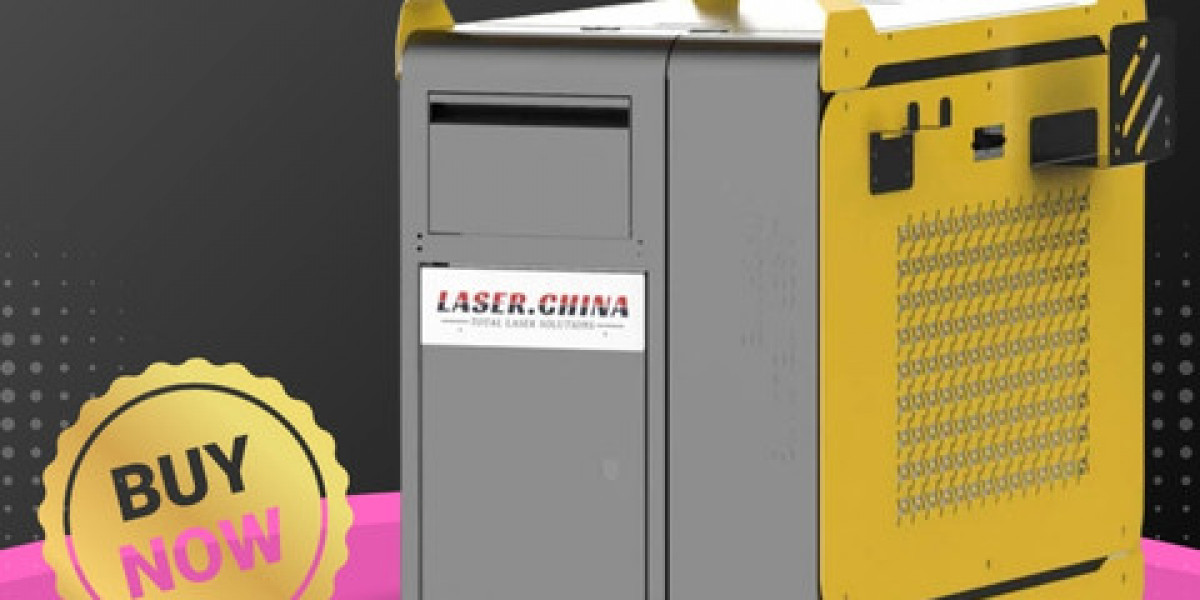

In this guide, we'll look at how this device performs, where it's needed the most, and what makes it a disruptive technology in the industrial cleaning space.
What Exactly is a Handheld Laser Rust Remover?
A handheld laser rust remover is a portable tool that uses high-intensity laser beams to ablate and vaporize rust, paint, oil, or other surface contaminants from metal surfaces. Unlike traditional grinding, sandblasting, or chemical cleaning methods, laser cleaning is contact-free, dry, and precise.
It operates by focusing a pulsed or continuous laser beam on the rusted area. The energy of the laser heats up the rust layer, causing it to either vaporize or flake off due to rapid thermal expansion. The underlying metal surface remains unharmed, and there’s minimal need for post-cleaning treatment.
Why Heavy Industry is Taking Notice
Industries that work with steel, iron, machinery, ship components, pipelines, and structural metal cannot afford delays or failures caused by corrosion. Traditional rust removal often involves labor-intensive processes, downtime, hazardous materials, and additional waste management. A handheld laser rust remover addresses many of these pain points by offering:
Precision: Ideal for selective cleaning without damaging the base material.
Portability: Can be used on-site, in tight spaces, or in hard-to-access areas.
Safety and Cleanliness: No chemicals, no abrasive media, and less airborne dust.
The transition to laser-based cleaning in sectors like automotive repair, aerospace maintenance, and oil & gas isn’t a trend—it’s a response to real-world efficiency demands.
Understanding the Real-World Application
Let’s break down where this tool is typically deployed and how it performs in each context.
1. Oil & Gas Pipelines
Oil and gas pipelines are prone to corrosion, especially those exposed to the elements or buried underground. When exposed pipes are decommissioned, repaired, or replaced, removing rust efficiently is critical.
A handheld laser rust remover is portable enough to be used along long stretches of pipeline, even in remote areas. Workers can remove rust layer by layer without damaging the pipe, reducing the risk of accidents or long-term failure.
2. Shipbuilding and Marine Repair
In the maritime industry, saltwater exposure accelerates corrosion. Hulls, decks, and mechanical components rust quickly and require regular maintenance.
Conventional methods like sandblasting are messy and require containment zones. A handheld laser rust remover works in open environments without contaminating nearby areas, making it ideal for both dry-dock repairs and on-board touch-ups.
3. Industrial Machinery Refurbishment
Heavy-duty industrial machines used in manufacturing, mining, or fabrication often gather rust during storage or due to coolant leaks and humidity. These machines have precision parts, which cannot be ground down aggressively.
Laser rust removers provide an answer here—they target the corrosion without altering the geometry of delicate parts. And because they don’t introduce chemicals or moisture, there’s no risk of further rusting post-cleaning.
4. Automotive and Rail Maintenance
Older vehicles and locomotives need surface cleaning before repainting or component servicing. Rust in bolt threads, wheel assemblies, or axles can be cleaned efficiently using a handheld device.
Unlike manual wire brushing or sandpapering, which takes time and effort, laser rust removal is quick, repeatable, and consistent. Workshops use these tools to speed up operations while maintaining high quality standards.
Performance Metrics That Matter
In professional settings, decisions are driven by measurable outcomes. Here are some performance metrics that matter when evaluating a handheld laser rust remover:
Cleaning Speed: Depending on laser power (typically 100W–2000W), cleaning speeds range from 1 to 30 square meters per hour.
Energy Consumption: These tools are more energy-efficient compared to air compressors or sandblasting turbines.
Noise Levels: Laser rust removers are significantly quieter, allowing safe indoor operation without heavy ear protection.
Maintenance Needs: With fewer moving parts and no consumables like sand or solvents, maintenance is minimal.
Economic and Workflow Impact
In industries where downtime is costly, the real advantage of using a handheld laser rust remover is how it streamlines operations:
Reduced Setup Time: No scaffolding, masking, or material containment systems are needed.
Low Operational Training: Operators can be trained in a matter of hours instead of weeks.
Cleaner Work Environment: No dust clouds, chemical residues, or abrasive mess means faster clean-up and safer work conditions.
Lower Disposal Costs: Without spent media or hazardous by-products, waste handling costs go down dramatically.
Who Should Use It Immediately?
While nearly every metal-dependent industry can benefit from this technology, the following users gain the most value from immediate adoption:
Field Technicians in the energy sector performing on-site repair work
Maintenance Crews for railways and transport infrastructure
Restoration Experts handling antique machinery or vintage vehicles
Fabrication Plants that need to prepare metal surfaces before welding or coating
Shipyards focusing on underwater and dockside corrosion cleaning
In these contexts, the mobility, accuracy, and cleanliness of handheld laser rust removers create significant operational advantages.
The Shift in Technology Standards
One key observation is how handheld laser rust removers are pushing industry standards forward. Regulatory bodies are increasingly encouraging the use of non-toxic, environmentally safe rust removal methods. Where once chemical baths were standard, now laser cleaning is setting the benchmark.
Moreover, clients are asking more questions about sustainability and safety. Service providers who adopt laser-based methods not only meet these expectations but can also use this as a unique selling point.
What You Should Look for in a Laser Rust Remover
If you’re considering integrating a handheld laser rust remover into your operations, focus on these real-world factors:
Wattage appropriate to your workload
Cooling system (air-cooled for portability, water-cooled for intensive work)
Ease of use in tight spaces
Compatibility with safety gear and enclosures
Responsive customer support and spare parts availability
Not all devices are created equal, and the cheapest model may not meet industrial requirements. Partnering with an experienced supplier can help you align your purchase with operational needs.
Final Thoughts
The evolution of rust removal has reached a point where outdated techniques are being replaced by smarter, cleaner, and more effective solutions. The handheld laser rust remover is not just a convenience tool—it is a strategic asset for industries that demand speed, reliability, and safety. Whether you're restoring vintage metalwork, maintaining offshore rigs, or cleaning industrial equipment, this compact laser solution can drastically improve your workflow, reduce hazards, and enhance surface quality.