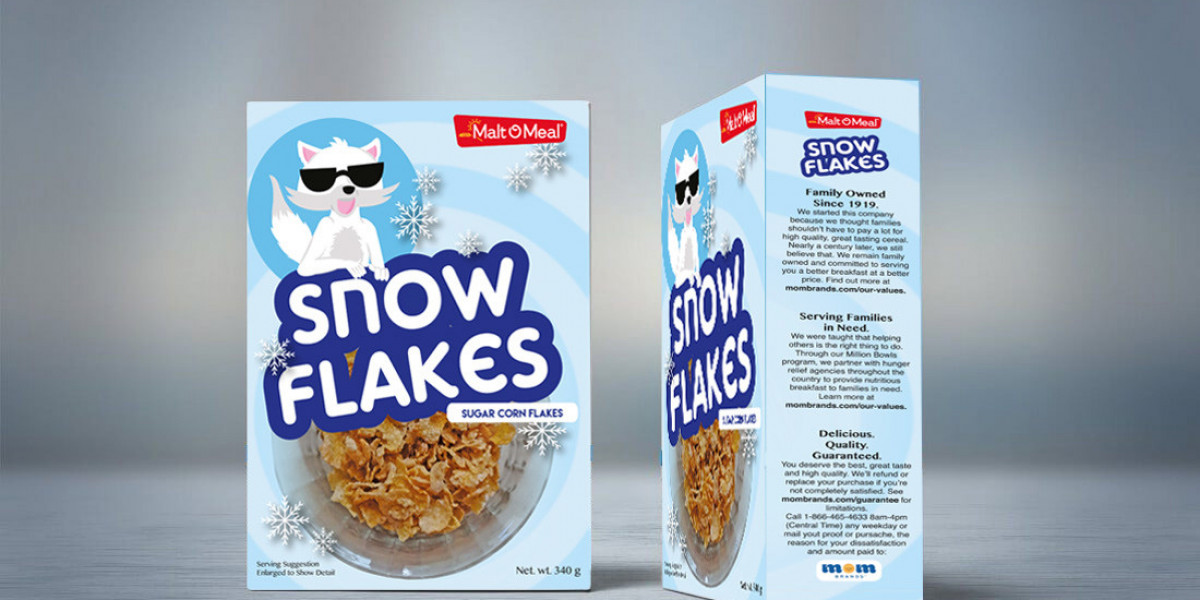

If you're in the food packaging or design business, understanding cereal box dimensions, standard size cereal boxes, and family size cereal box dimensions helps streamline your packaging strategy. It’s not just about aesthetics—knowing the right size can affect shipping costs, shelf space, product visibility, and consumer experience.
In this guide, we’ll break down the actual cereal box sizes used by top brands in the U.S., from standard packs to large family-size boxes. We’ll also look at how box size relates to cereal volume and weight, why it matters for manufacturers and designers, and what you should consider when selecting or customizing cereal packaging.
Why Cereal Box Size Matters
Before we dive into dimensions, let’s be clear—cereal box size isn’t random. Manufacturers use precise sizing to:
- Fit retail shelf requirements
- Control cost of materials and freight
- Create visual consistency on the shelf
- Match serving size expectations
- Optimize product-to-packaging ratios
Whether you’re designing private label cereal packaging or planning your own product, using standard industry sizes ensures smoother production, shipping, and marketing alignment.
Common Cereal Box Dimensions (U.S. Market)
Let’s start with the most frequently used box sizes in the U.S. Here are the general dimensions of standard cereal boxes, based on data from supermarket brands:
Standard Size Cereal Box
- Dimensions: 7.75” L x 1.875” W x 11.25” H
- Volume Capacity: Around 12 to 18 oz (340g–510g) depending on cereal type
- Example Brands: Kellogg’s Corn Flakes, Cheerios Original
This is the go-to size for most retail cereal packaging. It fits easily on standard grocery shelves and holds an average number of servings (around 8–12).
Medium Size Box (Compact Style)
- Dimensions: 6.75” L x 2” W x 10” H
- Volume Capacity: 10–14 oz
- Used for: Low-density or specialty cereals, granola
Brands sometimes use this smaller box for more premium or lighter cereals. It also works well for limited shelf space or online delivery kits.
Family Size Cereal Box
- Dimensions: 7.75” L x 2.75” W x 12” H
- Volume Capacity: 20–24 oz (570g–680g)
- Example Brands: Family-size Raisin Bran, Cinnamon Toast Crunch
These family size cereal box dimensions are made to offer better value for households. They provide more servings and are priced economically per ounce.
Jumbo / Giant Size Box
- Dimensions: 8.25” L x 3.5” W x 13.5” H
- Volume Capacity: 30 oz or more
- Used for: Club stores like Costco, bulk-buy retailers
These are not typically found in standard grocery stores. They are designed for high-volume buyers and sold in warehouse settings.
Cereal Weight vs. Box Size
It’s important to note: box dimensions don't always reflect weight or serving count. Why? Because cereal types vary in density. For example:
- 12 oz of Corn Flakes fills more volume than 12 oz of Granola
- Puffed cereals like Rice Krispies require more box space per ounce
So two cereal boxes with the same outer size may contain very different amounts of cereal.
Real Brand Examples
To understand how cereal box size varies by brand and cereal type, here are a few real-world examples:
Brand & Type | Net Weight | Dimensions (inches) |
Cheerios (Standard) | 12 oz | 7.75 x 1.875 x 11.25 |
Cinnamon Toast Crunch (Family) | 19.3 oz | 7.75 x 2.75 x 12.0 |
Raisin Bran (Jumbo) | 33.5 oz | 8.25 x 3.5 x 13.5 |
Special K (Medium) | 11.2 oz | 6.75 x 2 x 10.0 |
These variations allow brands to target different consumers—singles, small families, large households, or bulk shoppers.
Packaging Strategy: Size and Supply Chain
If you're planning packaging for a cereal product, the box size will affect multiple parts of your business:
Shipping Efficiency
Standard box dimensions let you optimize how many units fit in a carton, on a pallet, or in a truckload. Larger boxes reduce unit count per shipment but increase shelf impact.
Retail Space Planning
Retailers favor standard size cereal boxes because they line up neatly on shelves. Family-size or jumbo boxes often require bottom shelving or end cap placement.
Consumer Preferences
Size also drives buying behavior. Some shoppers prefer smaller boxes to avoid waste. Others look for better price-per-ounce value in family sizes.
Digital Consideration: eCommerce Cereal Boxes
Selling cereal online? Then packaging size becomes even more important. Bulky boxes increase dimensional shipping weight, which affects profit margins. At BizzCrave, brands are encouraged to use smart packaging solutions that reduce costs and improve delivery efficiency. Tip: Use compact designs for online-exclusive cereal products or consider recyclable pouch options for lightweight shipping.
Custom Cereal Box Design Tips
If you’re creating custom cereal boxes, keep the following in mind:
- Stick close to industry standard dimensions unless you have a niche reason
- Include both ounce weight and serving count on the front panel
- Make sure box height and depth balance for easy standing and shipping
- Ensure font sizes and nutrition panels meet FDA packaging compliance
- Consider resealable options for larger family packs
Summary Table: Cereal Box Size Quick Guide
Box Type | Dimensions (L x W x H) | Volume (oz) | Use Case |
Standard | 7.75 x 1.875 x 11.25 | 12–18 oz | Everyday retail shelves |
Medium | 6.75 x 2 x 10 | 10–14 oz | Light cereals, compact sales |
Family Size | 7.75 x 2.75 x 12 | 20–24 oz | Cost-saving family packs |
Jumbo/Giant | 8.25 x 3.5 x 13.5 | 30+ oz | Bulk retail, warehouse stores |
Final Thoughts
Choosing the right cereal box dimensions is about more than fitting flakes into a container. It’s a supply chain decision, a marketing tool, and a consumer touchpoint all in one. Whether you're sticking to standard size cereal boxes or going big with family size cereal box dimensions, staying within industry benchmarks helps your brand look professional and function efficiently.
Cereal box design is practical. So should your packaging decisions be