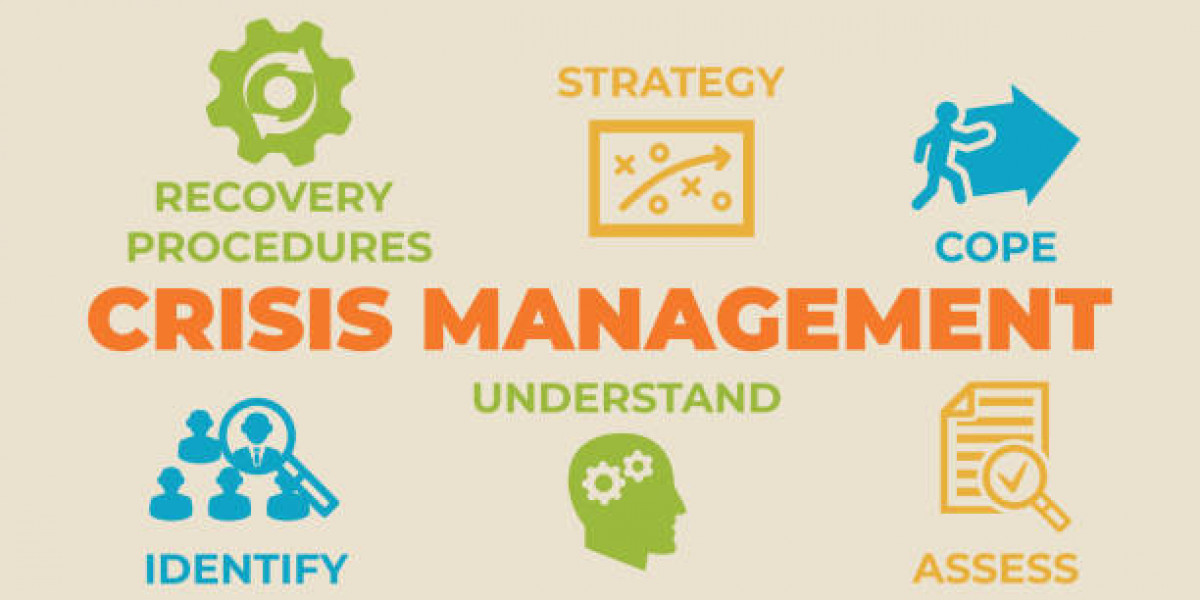

Understanding CIPD Assignments in Crisis Management Context
Crisis management has become a central focus in modern human resource practice, and it frequently appears in CIPD academic assignments. These assignments typically require learners to explore how organizations respond to unexpected disruptions such as operational failures, reputational threats, public health emergencies, or internal organizational conflicts. The aim is not only to understand theoretical frameworks but also to apply them to realistic workplace scenarios.
Within CIPD studies, crisis management is closely linked to organizational resilience and leadership decision making. Students are expected to demonstrate how HR professionals contribute to maintaining stability during uncertain times. This includes understanding how policies are adapted, how employee wellbeing is protected, and how leadership communicates under pressure.
A strong assignment in this area often draws on established guidance from institutions such as the Chartered Institute of Personnel and Development and international standards like those outlined in ISO guidance on crisis preparedness and continuity. These sources help learners ground their analysis in recognized professional practice rather than abstract theory.
In this context, crisis management is not limited to reacting after a problem occurs. It also involves proactive planning, risk assessment, and scenario preparation. CIPD assignments therefore encourage students to evaluate both preventative strategies and responsive actions, highlighting the role of HR as a strategic partner in organizational stability.
Role of Employee Communication in Crisis Situations
Employee communication is one of the most critical elements in effective crisis management, and it often forms the core analytical focus of CIPD assignments. During a crisis, employees need timely, accurate, and transparent information to maintain trust and continue working effectively. Poor communication can increase uncertainty, reduce morale, and lead to misinformation spreading across the organization.
In academic discussions, communication is usually examined as a two way process. This means not only delivering instructions from leadership but also ensuring employees have channels to ask questions, express concerns, and provide feedback. CIPD learners are expected to show an understanding of how communication strategies can influence employee behaviour during high pressure situations.
The importance of structured communication is widely supported in academic and professional literature. Research published by Harvard Business Review emphasizes that organizations with clear communication frameworks during crises tend to recover more quickly and maintain stronger employee engagement. Similarly, guidance from the International Organization for Standardization highlights the need for consistent messaging and coordinated information flow during disruptive events.
In CIPD assignments, students are often required to critically evaluate communication models and assess their effectiveness in real or hypothetical crisis scenarios. This includes considering internal communication channels such as emails, intranet updates, virtual meetings, and leadership briefings.
A well developed assignment will also discuss the psychological impact of communication. Employees who feel informed are more likely to remain committed and less likely to experience stress or confusion. This is why communication is not simply a functional task but a strategic responsibility in human resource management. 7CO04 assignment Help
Structuring a High Quality CIPD Assignment
A successful CIPD assignment on crisis management and employee communication requires a clear structure that connects theory with practice. The introduction should define key concepts such as crisis management, organizational resilience, and employee communication, while also setting the context for analysis. This section should demonstrate awareness of current workplace challenges, including digital transformation and global uncertainty.
The main body of the assignment should focus on critical evaluation rather than description. Students are expected to compare different crisis management approaches and assess how communication strategies influence outcomes. For example, an assignment might explore how leadership transparency affects employee trust during organizational restructuring or how communication breakdowns contribute to operational delays.
It is also important to integrate real world examples. Case studies of corporate crises, such as public relations failures or emergency responses, help demonstrate applied understanding. These examples should be analysed using relevant HR theories and supported by credible sources.
The conclusion should bring together the key findings and highlight the importance of aligning crisis management strategies with effective communication practices. Rather than introducing new ideas, it should reflect on what has been learned and how it applies to professional HR practice.
CIPD assessors place strong emphasis on academic integrity and evidence based reasoning. This means students should rely on authoritative sources such as CIPD publications, peer reviewed journals, and internationally recognized frameworks. Proper referencing is essential to demonstrate trustworthiness and academic credibility.
Best Practices for Academic Depth and Professional Insight
To achieve high quality results in CIPD assignments, students must demonstrate both academic understanding and professional awareness. This involves engaging with current HR trends and linking them to crisis management practices. Topics such as remote working, digital communication tools, and employee wellbeing have become increasingly relevant in recent years.
Visual aids such as organizational flow diagrams or communication cycle models can enhance understanding when included appropriately in assignments. For example, a diagram illustrating communication flow during a crisis can help explain how information moves between leadership and employees. When used, these visuals should be clearly labelled and directly referenced in the analysis.
Another key aspect of strong academic work is the use of reflective thinking. Students should not only describe what organizations do but also evaluate how effective those actions are. This reflective approach aligns closely with CIPD expectations and demonstrates higher level analytical skills.
Trustworthiness in academic writing is also reinforced through accurate referencing. Reliable sources such as the Chartered Institute of Personnel and Development, Harvard Business Review, and ISO standards should be used to support arguments. This ensures that the assignment is grounded in recognized professional knowledge.
Ultimately, crisis management and employee communication are deeply interconnected. Effective crisis response depends on how well employees are informed, supported, and engaged throughout the process. CIPD assignments in this area are designed to develop this understanding, preparing learners for real world HR challenges where communication can determine organizational success or failure.