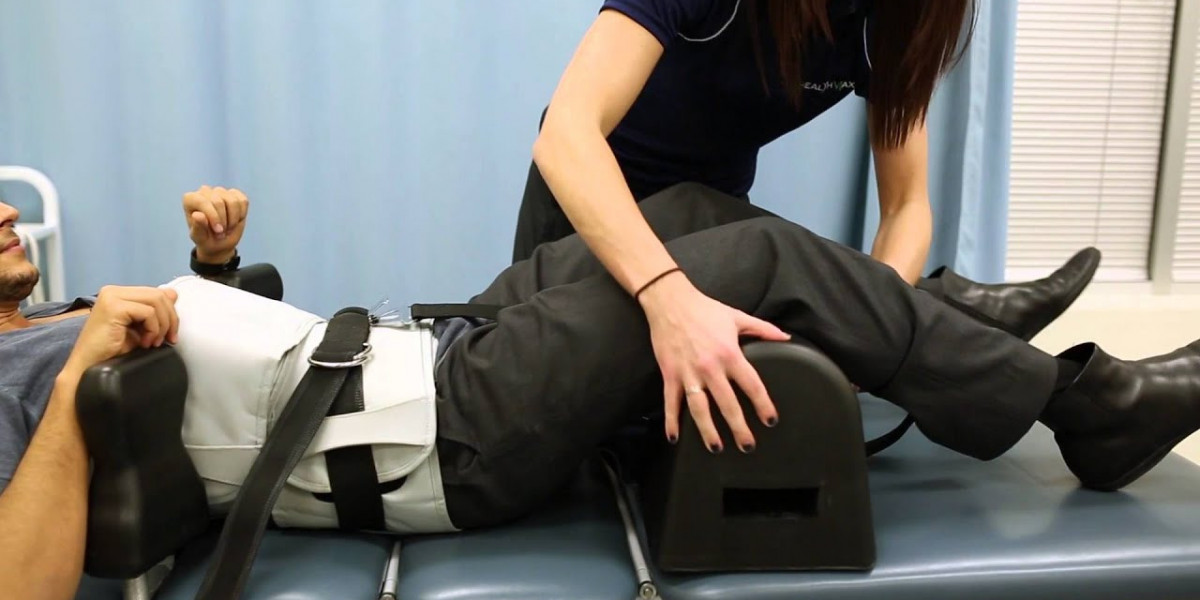

Back pain is something most people experience at some point in their lives. For many, the pain resolves with basic rest and conservative care within weeks. But for others, the pain persists, deepens, and resists every standard treatment attempted. This is when the question of more specialized intervention becomes genuinely important. Spinal decompression therapy is one of the most effective non-surgical options available today. Knowing when to consider it could be the turning point in your recovery journey.
Understanding When Back Pain Requires Specialized Treatment
Not every episode of back pain requires a specialized treatment plan. Acute muscle strains typically resolve within a few weeks with rest and light activity. Simple postural pain responds well to ergonomic improvements and stretching programs. However, certain patterns of pain suggest a deeper structural problem is present. Recognizing these patterns helps identify when spinal decompression deserves serious consideration.
Chronic back pain lasting more than 12 weeks is one of the clearest indicators. Pain that has failed to improve despite rest, medication, and standard physical therapy is another. Radiating pain that travels into the leg or buttock suggests nerve root involvement. Numbness, tingling, or weakness in the lower extremity confirms neurological compression. These specific pain characteristics point directly toward disc-related structural problems.
Disc-Related Symptoms That Warrant Evaluation
Several specific symptom patterns strongly suggest disc-related nerve compression. Pain that worsens with prolonged sitting and improves with standing suggests disc involvement. Symptoms that become more severe with forward bending typically implicate the lumbar discs. Relief in positions that reduce spinal loading, such as lying down, is also telling. A sharp or shooting quality to the pain rather than a dull ache is significant. These patterns should prompt a clinical evaluation that includes appropriate imaging.
Specific Conditions That Indicate Spinal Decompression as an Option
Spinal decompression therapy is specifically designed for disc-related structural conditions. Identifying whether your diagnosis falls within these categories is the first step.
Lumbar Disc Herniation Confirmed by Imaging
A herniated lumbar disc is the most direct indication for spinal decompression therapy. MRI imaging is the gold standard for confirming disc herniation and its extent. When the herniation is causing nerve root compression, decompression directly addresses this. The negative pressure created by the therapy retracts the herniated disc material. Patients with confirmed herniations who have not had spinal surgery are strong candidates. This is particularly true when the herniation is causing significant functional limitation.
Lumbar Degenerative Disc Disease
Degenerative disc disease involves progressive deterioration of intervertebral disc structure. The discs lose height, hydration, and their ability to cushion the spinal vertebrae. This deterioration causes chronic pain, stiffness, and increased susceptibility to nerve compression. Decompression therapy addresses the hydration deficit and mechanical compression driving the degeneration. Patients with symptomatic degenerative disc disease who have not responded to basic care are good candidates. The therapy slows progression and significantly reduces associated pain levels.
Lumbar Spinal Stenosis
Spinal stenosis involves narrowing of the spinal canal or nerve exit channels. This narrowing compresses the spinal cord or nerve roots running through the spine. Symptoms include leg pain with walking that is relieved by sitting, called neurogenic claudication. Mild to moderate stenosis from disc-related causes often responds well to decompression. Severe stenosis from bony overgrowth may require surgical evaluation before decompression. A qualified provider can assess whether stenosis is amenable to non-surgical treatment.
Sciatica From Disc Compression
Sciatica describes pain radiating along the course of the sciatic nerve. It typically runs from the lower back through the buttock and down the leg. Disc herniation pressing on the L4, L5, or S1 nerve roots is the most common cause. The shooting, burning, or electrical quality of sciatic pain is characteristic. Decompression is one of the most effective non-surgical treatments for disc-caused sciatica. Patients with confirmed disc-related sciatica who have not had surgery are excellent candidates.
Posterior Facet Syndrome
Posterior facet syndrome involves degeneration and inflammation of the facet joints. These small joints stabilize each spinal segment during movement. Degeneration creates inflammation, stiffness, and chronic localized back pain. Decompression reduces the compressive load across these joints by separating the vertebrae. This mechanical unloading provides meaningful symptom relief for many facet syndrome patients.
When Conservative Treatments Have Not Worked
One of the most important indicators for considering decompression is treatment failure. Conservative care refers to the standard first-line treatments for back pain. Patients who have completed these options without adequate relief deserve specialized evaluation.
Failed Physical Therapy
Physical therapy is a legitimate and valuable first-line treatment for back pain. It addresses muscular weakness, flexibility deficits, and movement pattern dysfunction. However, physical therapy does not directly address disc herniation or intradiscal pressure. When structural disc pathology is the primary driver of pain, exercise alone is insufficient. Patients who complete physical therapy without relief should consider whether structural intervention is needed.
Inadequate Response to Medication
Anti-inflammatory medications, muscle relaxants, and analgesics all serve a role in early management. They reduce inflammation and manage acute pain during the initial healing phase. However, medication does not address the structural disc problem causing the pain. Long-term dependence on medication for disc-related pain is both risky and ineffective. When medication provides only temporary or partial relief, structural treatment becomes necessary.
Avoidance of Surgery as a Primary Goal
Many patients are referred for surgical consultation after conservative care fails. Surgery for disc conditions carries real risks including infection, failed back syndrome, and nerve damage. Many patients are willing to pursue further non-surgical options before accepting surgical risks. Spinal decompression is frequently the most appropriate next step for these patients. Clinical studies show that many surgical candidates achieve successful outcomes through decompression. This makes decompression a highly valuable option for surgery-averse patients.
When Is Spinal Decompression Not Appropriate?
Not every patient with back pain is suitable for spinal decompression therapy. Understanding the contraindications is equally important as knowing the indications.
Patients with spinal fractures should not receive decompression therapy. The traction forces could worsen an unstable fracture with serious consequences. Severe osteoporosis creates bone fragility that may not withstand decompression forces safely. Spinal implants, fusions, or metallic hardware contraindicate the use of traction therapy. Pregnant women are excluded due to the positioning and abdominal pressure involved. Spinal tumors, infections, or cauda equina syndrome require urgent medical rather than decompression care.
These contraindications highlight why a thorough pre-treatment evaluation is absolutely essential. Comprehensive assessment including medical history review and imaging must precede treatment. A qualified provider will never administer decompression to an unsuitable candidate. Patient safety is always the first and most important clinical consideration.
How to Determine If You Are a Good Candidate
The best way to assess your suitability is through a professional clinical consultation. A qualified chiropractor or physiotherapist should review your full medical history. Orthopedic and neurological examination identifies the functional impact of your condition. MRI or X-ray imaging confirms the diagnosis and guides treatment planning. This evidence-based evaluation determines whether decompression is the appropriate intervention.
Asking your provider specific questions helps you make an informed decision. Ask how many sessions are recommended for your specific diagnosis. Ask what results are typically achieved for your type of condition. Ask what the provider's experience level is with decompression therapy. Ask about the specific equipment used and its FDA clearance status.
Choosing a provider offering Spinal decompression treatment with modern FDA-cleared technology and individualized care planning ensures that your evaluation and treatment are grounded in clinical evidence and genuine expertise.
Timing: When in Your Pain Journey to Seek Decompression
The timing of when you pursue decompression can influence outcomes significantly. Seeking care early in a chronic pain trajectory produces better and faster results. Disc pathology that is addressed before severe degeneration is more responsive to therapy. Longer-standing nerve compression develops secondary sensitization that complicates recovery. Early intervention before disc degeneration progresses maximizes the potential for full recovery.
However, it is never too late to consider decompression as an option. Even patients with longstanding chronic pain can achieve meaningful improvement. Older patients with degenerative disc disease consistently achieve positive outcomes. The key is proper patient selection and setting realistic, condition-appropriate expectations. A qualified provider can advise you on what is achievable based on your specific situation.
Conclusion
Knowing when to consider spinal decompression therapy is the first step toward meaningful relief. Disc herniations, degenerative disc disease, sciatica, and failed conservative care are key indicators. Surgery avoidance, prolonged medication use, and functional limitation all signal the need for something more. Thorough clinical evaluation confirms suitability and guides effective treatment planning. With the right diagnosis, modern technology, and expert care, spinal decompression offers a genuinely powerful path to recovery.