
In today’s fast-moving industrial sector, manufacturers across the UAE are constantly searching for smarter ways to improve efficiency, reduce downtime, and maintain workplace safety. One of the most effective solutions gaining attention is the use of advanced lifting equipment in manufacturing operations.
From automotive workshops in Dubai to heavy engineering facilities in Abu Dhabi, automated lifting systems are transforming how factories handle materials, machinery, and production workflows. This article explores how one manufacturing plant significantly improved productivity by upgrading to automated lifting solutions — and why many UAE industries are following the same path.
The Growing Importance of Lifting Equipment in Manufacturing
Manufacturing plants deal with heavy loads every day. Raw materials, machine parts, steel components, and finished products all need to be moved safely and efficiently. Traditional manual handling methods often lead to slower production cycles, employee fatigue, and higher safety risks.
According to the International Labour Organization, workplace injuries caused by improper material handling remain one of the leading causes of industrial accidents worldwide. Automated lifting systems help reduce these risks while improving operational speed.
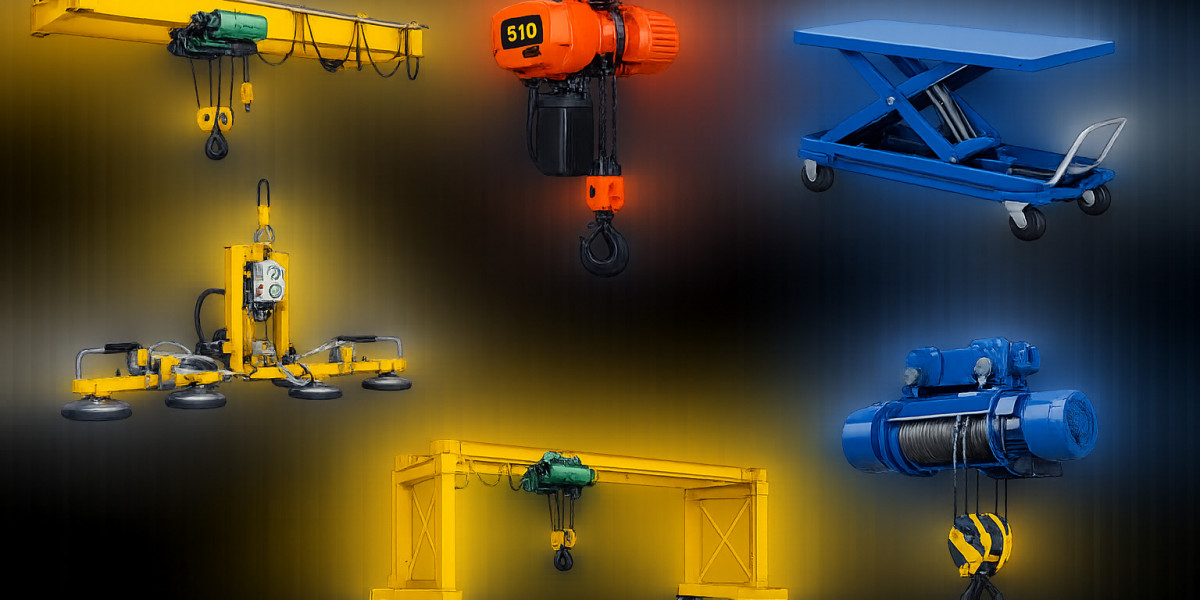
Modern lifting equipment includes the following:
Electric chain hoists
Overhead cranes
Hydraulic lifting tables
Vacuum lifters
Automated gantry systems
Wire rope hoists
These solutions are designed to streamline production while minimizing manual effort.
The Challenge Faced by the Manufacturing Plant
A mid-sized metal fabrication plant in the UAE was experiencing several operational problems:
Delays in moving heavy steel components
Frequent worker fatigue during manual lifting
Increased downtime during material transfer
Higher maintenance costs due to inefficient handling methods
Workplace safety concerns
The company noticed that production targets were becoming harder to achieve as demand increased. Workers were spending too much time transporting materials between workstations instead of focusing on core manufacturing tasks.
Management realized that improving their material handling process was critical for long-term growth.
Implementing Automated Lifting Equipment
After conducting an operational audit, the plant invested in automated lifting equipment across multiple departments.
The upgrade included:
Electric Chain Hoists
Electric chain hoists were installed to lift heavy fabricated parts quickly and safely. These systems reduced manual strain and improved load positioning accuracy.
Overhead Crane Systems
An automated overhead crane system was introduced to transport materials across the production floor. This eliminated bottlenecks caused by forklifts and manual transportation.
Hydraulic Lift Tables
Hydraulic lift tables helped workers maintain ergonomic working positions, reducing physical stress and improving assembly efficiency.
Smart Load Monitoring
The plant also implemented load monitoring technology to prevent overloading and equipment misuse. This improved both safety and equipment lifespan.
The Results: Productivity Increased Dramatically
Within six months of implementing the new lifting systems, the manufacturing plant reported major operational improvements.
1. Faster Production Cycles
Material movement time was reduced by nearly 40%. Workers could now transfer heavy items between stations within minutes instead of manually coordinating large teams.
2. Improved Worker Safety
The number of minor lifting-related injuries dropped significantly. Employees reported less fatigue and greater confidence while handling heavy materials.
3. Reduced Downtime
Automated systems minimized delays caused by manual handling errors. Production scheduling became more predictable and efficient.
4. Increased Output Capacity
Because workers spent less time moving materials, the plant increased production output by approximately 25% without hiring additional staff.
5. Lower Maintenance Costs
Proper load handling reduced accidental equipment damage, lowering repair and maintenance expenses over time.
Why UAE Manufacturers Are Investing in Advanced Lifting Equipment
The UAE manufacturing sector is becoming increasingly competitive. Companies are under pressure to improve efficiency while maintaining international safety standards.
Automated lifting equipment offers several advantages for UAE industries:
Supports faster industrial growth
Reduces operational costs
Enhances worker safety compliance
Improves warehouse and factory organization
Helps businesses meet rising customer demand
Industries such as construction, oil and gas, logistics, automotive, and steel fabrication are already investing heavily in smart lifting technologies.
Additionally, UAE businesses are focusing more on workplace automation as part of long-term industrial development strategies aligned with Industry 4.0 initiatives.
Key Features to Look for in Modern Lifting Equipment
When selecting lifting solutions for a manufacturing facility, businesses should consider:
Load capacity requirements
Energy efficiency
Safety certifications
Ease of maintenance
Automation compatibility
Durability in harsh industrial environments
Choosing the right equipment can significantly improve operational performance and long-term return on investment.
Final Thoughts
The success story of this UAE manufacturing plant demonstrates how advanced lifting equipment can transform industrial productivity. By automating material handling processes, companies can improve efficiency, reduce workplace injuries, and increase overall profitability.
As industries continue evolving, investing in modern lifting systems is no longer just an operational upgrade—it is a strategic business decision.
If your manufacturing facility is looking to improve workflow efficiency, reduce downtime, and create a safer working environment, now is the perfect time to explore advanced lifting equipment solutions tailored to your operational needs.