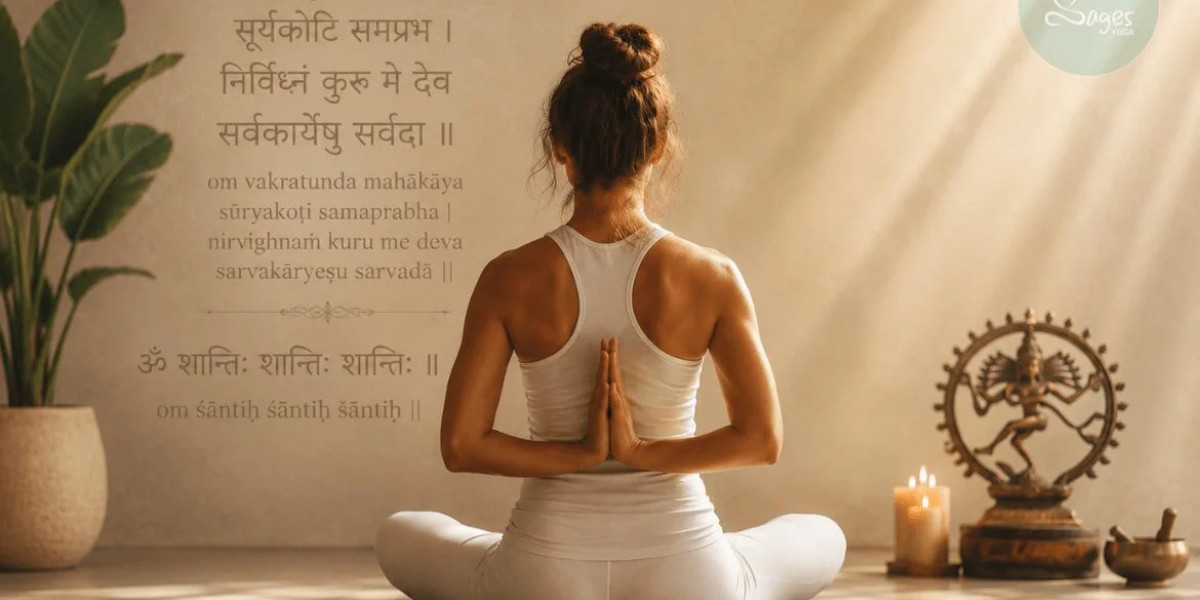

Ashtanga Yoga is one of the most respected and traditional systems of yoga practiced worldwide. Known for its disciplined sequences, synchronized breathing, and meditative flow, Ashtanga Yoga is much more than a physical workout. It is a complete spiritual path that combines body movement, breath awareness, concentration, and inner transformation. One of the most sacred and meaningful aspects of this ancient tradition is the chanting of the Ashtanga yoga Mantra with meaning before and after practice.
In traditional Ashtanga Yoga, practitioners chant opening and closing mantras to honor the lineage of teachers, create mental focus, and cultivate gratitude and peace. These Sanskrit mantras carry deep spiritual significance and are believed to produce powerful vibrations that calm the mind and elevate consciousness.
For many yoga practitioners, understanding the Ashtanga yoga Mantra with meaning helps deepen their connection to the practice and transforms yoga into a more mindful and spiritual experience.
What is the Ashtanga Yoga Mantra?
The Ashtanga Yoga mantra is a sacred Sanskrit chant traditionally recited before and after an Ashtanga Yoga session. The opening mantra expresses respect and gratitude toward the guru lineage and Sage Patanjali, while the closing mantra is a prayer for peace and well-being for all living beings.
These mantras are not merely ritualistic traditions; they help practitioners shift from the distractions of daily life into a focused and meditative state. Chanting also encourages humility, mindfulness, and spiritual awareness.
The use of the Ashtanga yoga Mantra with meaning is deeply rooted in ancient yogic traditions and remains an important part of authentic Ashtanga Yoga practice today.
The Ashtanga Yoga Opening Mantra
The opening mantra is chanted at the beginning of practice to honor the teachers and seek guidance on the yogic path.
Sanskrit Opening Mantra
Om Vande Gurunam Charanaravinde
Sandarshita Svatma Sukhava Bodhe
Nihsreyase Jangalikayamane
Samsara Halahala Mohashantyai
Abahu Purushakaram
Shankhachakrasi Dharinam
Sahasra Shirasam Shvetam
Pranamami Patanjalim
Ashtanga Yoga Mantra with Meaning
Understanding the Ashtanga yoga Mantra with meaning allows practitioners to connect more deeply with its spiritual essence.
Line-by-Line Meaning
Om Vande Gurunam Charanaravinde
“I bow to the lotus feet of the gurus.”
This line expresses deep respect and gratitude toward the teachers who guide students on the path of yoga and self-realization.
Sandarshita Svatma Sukhava Bodhe
“Who awaken the insight into the happiness of pure being.”
The gurus help students discover their true nature and inner peace.
Nihsreyase Jangalikayamane
“Who act like a jungle physician.”
This metaphor compares yoga teachers to healers who cure the suffering of the mind and spirit.
Samsara Halahala Mohashantyai
“Removing the delusion caused by the poison of worldly existence.”
The mantra acknowledges that yoga helps remove ignorance, attachment, and suffering.
Abahu Purushakaram
“I bow before Sage Patanjali.”
This line honors Patanjali, the great sage who compiled the Yoga Sutras.
Shankhachakrasi Dharinam
“Who holds a conch, discus, and sword.”
These symbolic objects represent divine wisdom, clarity, and discipline.
Sahasra Shirasam Shvetam
“With a thousand white radiant heads.”
This line symbolizes higher consciousness and infinite wisdom.
Pranamami Patanjalim
“I respectfully bow to Patanjali.”
The opening mantra concludes with devotion and gratitude toward the source of yogic teachings.
Spiritual Importance of the Opening Mantra
The opening mantra serves several spiritual purposes in Ashtanga Yoga practice.
Creates Mental Focus
Chanting helps calm the mind and prepare for meditation and movement.
Cultivates Gratitude
The mantra reminds practitioners to honor the teachers and traditions that preserve yoga wisdom.
Encourages Humility
By bowing to the lineage, students surrender ego and approach practice with openness.
Purifies Energy
According to yogic philosophy, Sanskrit vibrations help cleanse negative mental and emotional patterns.
The Ashtanga Yoga Closing Mantra
After completing practice, students chant the closing mantra to dedicate the positive energy generated during yoga to the well-being of all beings.
Sanskrit Closing Mantra
Om Svasti Prajabhyah Pari Pala Yantam
Nyayena Margena Mahim Mahishah
Go Brahmanebhyah Shubhamastu Nityam
Lokah Samastah Sukhino Bhavantu
Om Shanti Shanti Shantihi
Ashtanga Yoga Closing Mantra with Meaning
Om Svasti Prajabhyah Pari Pala Yantam
“May all people be protected and prosperous.”
This line is a prayer for harmony and well-being in society.
Nyayena Margena Mahim Mahishah
“May leaders rule with justice and righteousness.”
The mantra wishes for fairness and wisdom in leadership.
Go Brahmanebhyah Shubhamastu Nityam
“May there always be goodness for all living beings.”
This line promotes compassion and universal care.
Lokah Samastah Sukhino Bhavantu
“May all beings everywhere be happy and free.”
One of the most beautiful yogic prayers, this line expresses universal love and peace.
Om Shanti Shanti Shantihi
“Peace, peace, peace.”
The repetition of Shanti invokes peace in the body, mind, and spirit.
Why Chanting is Important in Ashtanga Yoga
The practice of chanting the Ashtanga yoga Mantra with meaning offers much more than spiritual symbolism.
Enhances Concentration
Focusing on mantra repetition improves mindfulness and mental clarity.
Supports Breath Awareness
Chanting naturally regulates breathing patterns and deepens respiration.
Creates a Sacred Atmosphere
The sound vibrations help establish a peaceful and meditative environment.
Connects Practitioners with Tradition
Mantras preserve the spiritual heritage of yoga and maintain respect for the ancient lineage.
Benefits of Ashtanga Yoga Mantras
Regular chanting of the Ashtanga yoga Mantra with meaning can provide physical, emotional, mental, and spiritual benefits.
Physical Benefits
Reduces Stress
The calming vibrations help relax the nervous system.
Improves Breathing
Mantra chanting encourages deeper and more conscious breathing.
Promotes Relaxation
The rhythmic sounds help release physical tension and fatigue.
Mental Benefits
Improves Focus
Mantra repetition trains the mind to stay present and concentrated.
Reduces Anxiety
Chanting can quiet mental chatter and reduce emotional stress.
Enhances Mental Clarity
Practitioners often feel calmer and more mentally balanced after chanting.
Emotional Benefits
Encourages Positivity
Sacred mantras cultivate gratitude, compassion, and peace.
Supports Emotional Healing
The vibrations may help release emotional blockages and negativity.
Builds Inner Stability
Regular practice creates emotional balance and resilience.
Spiritual Benefits
Deepens Meditation
Mantras help practitioners enter a meditative and introspective state.
Increases Self-Awareness
Chanting encourages mindfulness and connection with inner consciousness.
Promotes Spiritual Growth
The practice supports the deeper spiritual goals of yoga beyond physical fitness.
Why Sanskrit is Used in Ashtanga Yoga Mantras
Sanskrit is considered the sacred language of yoga and ancient Indian spiritual traditions. Yogis believe Sanskrit sounds carry unique energetic frequencies that affect consciousness and inner harmony.
The pronunciation and vibration of Sanskrit syllables are believed to create subtle energetic shifts within the body and mind.
This is why traditional Ashtanga yoga Mantra with meaning practices preserve the original Sanskrit chants.
How Beginners Can Practice Ashtanga Yoga Mantras
Many beginners initially feel nervous about chanting, but the process becomes natural with practice.
Start Slowly
Listen to recordings or chant with experienced teachers to learn pronunciation.
Focus on Intention
Perfect pronunciation is less important than sincerity and mindfulness.
Practice Daily
Even a few minutes of chanting each day can improve focus and inner calm.
Combine with Meditation
Chanting before meditation enhances concentration and relaxation.
Ashtanga Yoga Mantras in Modern Yoga Studios
Today, yoga studios around the world continue to include the Ashtanga yoga Mantra with meaning as part of traditional practice. Teachers often explain the spiritual and philosophical significance of the chants to help students connect more deeply with yoga.
While modern yoga sometimes focuses heavily on physical fitness, these sacred mantras preserve the authentic spiritual roots of Ashtanga Yoga.
Conclusion
The Ashtanga yoga Mantra with meaning is a sacred and transformative aspect of traditional yoga practice. These ancient Sanskrit chants help practitioners cultivate mindfulness, gratitude, concentration, and spiritual awareness before and after yoga sessions.
The opening mantra honors the guru lineage and prepares the mind for practice, while the closing mantra spreads peace, compassion, and positive energy to all beings. Together, they remind practitioners that yoga is not merely physical exercise but a holistic path toward inner harmony and self-realization.
By regularly chanting the Ashtanga yoga Mantra with meaning, practitioners can deepen their yoga experience, reduce stress, improve focus, and connect more fully with the true spiritual essence of yoga. Whether you are a beginner or an experienced yogi, these sacred chants offer a powerful way to enrich both your practice and your daily life.