
Puppy dog pose yoga is a gentle yet powerful yoga posture that helps stretch the spine, shoulders, chest, and upper back. Known in Sanskrit as Uttana Shishosana, this pose combines the relaxing qualities of Child’s Pose with the stretching benefits of Downward-Facing Dog. Whether you are a beginner or an experienced yogi, puppy dog pose yoga is an excellent addition to your daily routine because it improves flexibility, releases tension, and promotes relaxation.
In modern life, many people spend long hours sitting at desks, working on computers, or looking down at mobile devices. This lifestyle often causes stiffness in the neck, shoulders, and back. Practicing puppy dog pose yoga regularly can help counter these issues by opening the chest and elongating the spine. The pose is especially useful for improving posture and calming the nervous system.
This guide will explore everything you need to know about puppy dog pose yoga, including its benefits, proper technique, precautions, and helpful modifications.
What Is Puppy Dog Pose Yoga?
Puppy dog pose yoga is a heart-opening stretch performed from a tabletop position. In this pose, the hips stay directly above the knees while the arms stretch forward, allowing the chest to sink toward the floor. The forehead or chin gently rests on the mat, depending on flexibility and comfort.
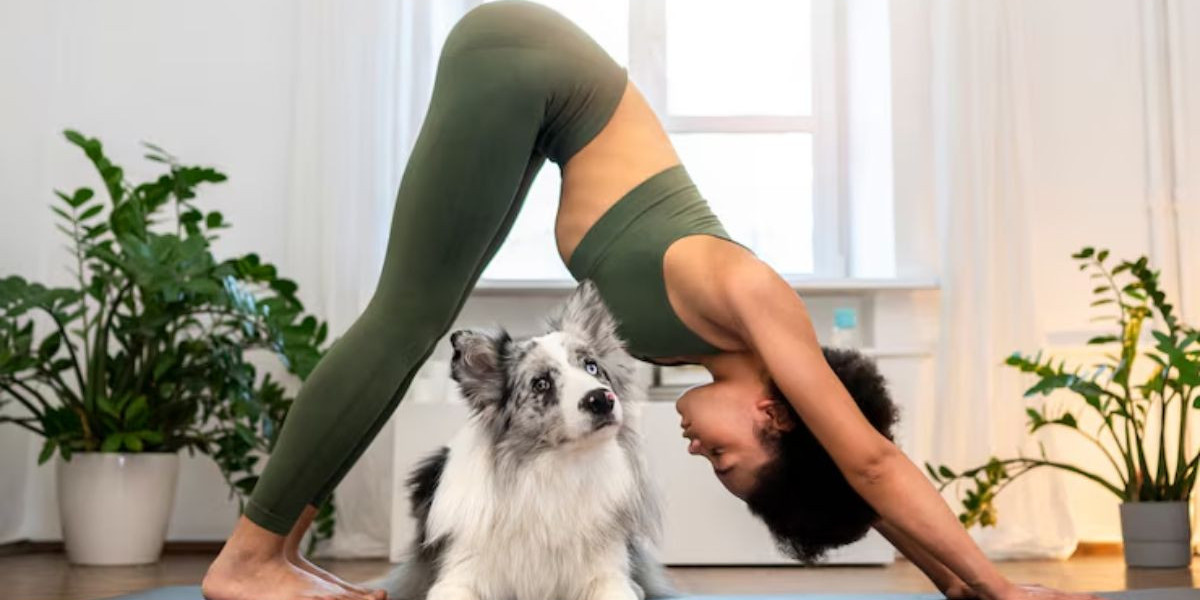
Unlike Downward Dog, where the hips lift high, puppy dog pose yoga keeps the lower body stable while deeply stretching the upper body. It is considered a restorative and beginner-friendly posture, making it suitable for most practitioners.
The pose offers a unique balance between effort and relaxation. While the shoulders and spine are actively stretching, the body also experiences a calming release of tension.
How to Do Puppy Dog Pose Yoga
Practicing puppy dog pose yoga correctly ensures maximum benefits while preventing strain or discomfort. Follow these simple steps:
Step 1: Begin in Tabletop Position
Start on your hands and knees. Place your wrists directly under your shoulders and your knees under your hips.
Step 2: Walk Your Hands Forward
Slowly extend your hands forward while keeping your hips aligned above your knees. Your arms should remain straight and shoulder-width apart.
Step 3: Lower Your Chest
Gently melt your chest toward the mat. Rest your forehead or chin on the floor depending on your comfort level.
Step 4: Relax and Breathe
Take slow, deep breaths. Focus on expanding your chest and lengthening your spine with each inhale.
Step 5: Hold the Pose
Stay in puppy dog pose yoga for 30 seconds to 1 minute or longer if comfortable.
Step 6: Return Slowly
Press into your hands and slowly return to the tabletop position.
Practicing slowly and mindfully helps you experience the full benefits of puppy dog pose yoga.
Benefits of Puppy Dog Pose Yoga
There are many physical and mental benefits of adding puppy dog pose yoga to your daily routine.
1. Improves Spinal Flexibility
One of the major benefits of puppy dog pose yoga is that it gently stretches and lengthens the spine. This helps improve flexibility and reduce stiffness in the back.
2. Opens the Chest and Shoulders
People who spend hours sitting often develop tight shoulders and chest muscles. This pose stretches those areas, improving posture and relieving tension.
3. Relieves Neck and Upper Back Pain
The deep stretch created in puppy dog pose yoga helps release tightness in the neck and upper back, making it especially useful for office workers.
4. Enhances Posture
Poor posture can lead to discomfort and fatigue. By opening the chest and strengthening alignment awareness, puppy dog pose yoga helps improve posture naturally.
5. Calms the Mind
Like many restorative yoga poses, puppy dog pose yoga encourages relaxation and deep breathing. This can reduce stress and promote mental clarity.
6. Prepares the Body for Backbends
This pose gently warms up the spine and shoulders, making it an excellent preparation for deeper backbends like Camel Pose or Wheel Pose.
7. Supports Better Breathing
Because the chest opens during puppy dog pose yoga, the lungs have more room to expand, encouraging deeper and more effective breathing.
Common Mistakes in Puppy Dog Pose Yoga
Although puppy dog pose yoga is simple, beginners often make mistakes that reduce effectiveness or create discomfort.
Dropping the Hips Too Far Back
Many people accidentally move into Child’s Pose by shifting their hips backward. Keep your hips directly over your knees for proper alignment.
Overstretching the Neck
Avoid forcing the chin too deeply into the floor. If your neck feels strained, rest your forehead instead.
Holding the Breath
Breathing deeply is important during puppy dog pose yoga. Try to maintain slow and steady breathing throughout the posture.
Collapsing the Shoulders
Keep the shoulders engaged and avoid sinking excessively to prevent strain.
Modifications for Beginners
If you are new to puppy dog pose yoga, these modifications can make the pose more comfortable.
Use a Yoga Block
Place a yoga block under your forehead or chest for support if flexibility is limited.
Place a Blanket Under the Knees
A soft blanket can reduce knee discomfort during practice.
Keep the Stretch Gentle
Do not force your chest to touch the floor. Work within your comfort zone.
These adjustments make puppy dog pose yoga accessible to beginners and those recovering from stiffness.
Advanced Variations of Puppy Dog Pose Yoga
Once you become comfortable with the basic version, you can explore advanced variations.
Chin-to-Mat Variation
Instead of resting the forehead, place the chin on the mat to deepen the shoulder and chest stretch.
Hands in Prayer Position
Bring your palms together overhead to intensify the stretch in the shoulders.
Active Shoulder Stretch
Press the palms firmly into the mat to increase shoulder engagement.
These variations can deepen the experience of puppy dog pose yoga for experienced practitioners.
Who Should Avoid Puppy Dog Pose Yoga?
Although puppy dog pose yoga is generally safe, some people should practice with caution.
Individuals with severe shoulder injuries
People experiencing knee pain or injuries
Anyone with serious neck problems
Pregnant women should consult a yoga instructor before trying deep chest-opening poses
If you experience pain instead of a gentle stretch, stop immediately and modify the posture.
Tips for Practicing Puppy Dog Pose Yoga
To gain the best results from puppy dog pose yoga, keep these tips in mind:
Practice on a non-slip yoga mat
Focus on deep breathing
Move slowly and mindfully
Avoid forcing flexibility
Include the pose in your warm-up or cool-down sequence
Consistency is key. Practicing puppy dog pose yoga regularly can improve flexibility and relaxation over time.
Best Time to Practice Puppy Dog Pose Yoga
You can practice puppy dog pose yoga at any time of day. However, it works especially well:
In the morning to release stiffness
After work to reduce tension in the shoulders and back
Before meditation to calm the mind
During yoga sessions as a gentle stretch
Listening to your body will help determine the ideal time for practice.
Conclusion
Puppy dog pose yoga is a simple yet deeply effective posture that offers numerous benefits for both the body and mind. From improving spinal flexibility and posture to reducing stress and opening tight shoulders, this pose supports overall well-being. It is beginner-friendly, restorative, and easy to incorporate into daily practice.
Whether you are seeking relief from tension, preparing for advanced backbends, or simply looking for a relaxing yoga posture, puppy dog pose yoga is worth exploring. By practicing regularly and focusing on proper alignment, you can experience greater flexibility, improved breathing, and a calmer state of mind.