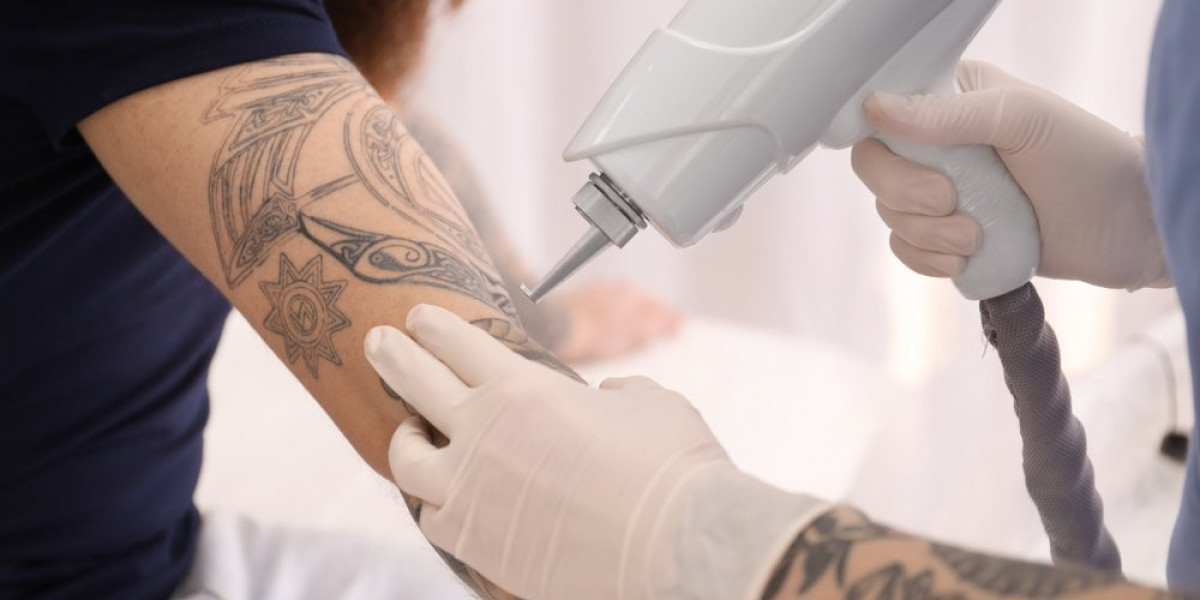

Tattoo removal has become much more advanced and accessible in recent years, but there are still many misconceptions that create confusion or unrealistic expectations. These myths often come from outdated information, social media claims, or misunderstandings about how laser technology actually works. Tattoo removal in Riyadh is becoming increasingly popular as more people look for safe and effective ways to erase unwanted ink and refresh their skin appearance.
In this article, we’ll break down the most common myths about tattoo removal and explain what is actually true.
Myth 1: Tattoo Removal Works in One Session
One of the biggest misconceptions is that tattoos can be completely removed in a single laser session.
The reality:
Tattoo removal is a gradual process that requires multiple sessions.
This is because:
- Ink is deeply embedded in the dermis
- The laser only breaks ink into smaller particles
- The body removes ink slowly over time
Most tattoos require 4 to 12+ sessions, depending on size, color, and skin type.
Myth 2: Laser Tattoo Removal Completely Erases Every Tattoo
Many people believe every tattoo can be fully erased without any trace.
The reality:
While many tattoos fade significantly or disappear completely, results vary.
Possible outcomes include:
- Full removal with no visible trace
- Near-complete fading with slight shadowing (“ghost image”)
- Partial fading suitable for cover-ups
Factors like ink color, depth, and skin response affect final results.
Myth 3: Tattoo Removal Is Extremely Dangerous
Some believe laser tattoo removal is unsafe or causes serious skin damage.
The reality:
When performed by trained professionals, it is generally safe and medically approved.
Temporary side effects may include:
- Redness
- Swelling
- Mild blistering
- Skin sensitivity
Serious complications like scarring are rare and usually linked to poor aftercare or incorrect treatment settings.
Myth 4: Dark Skin Cannot Undergo Tattoo Removal
A common myth is that laser tattoo removal is not safe for darker skin tones.
The reality:
Modern lasers are designed to treat all skin types safely, including medium and darker skin tones.
However:
- Settings must be carefully adjusted
- Lower energy levels are often used
- Experienced practitioners are essential
When done correctly, tattoo removal is safe across all skin tones.
Myth 5: All Tattoo Colors Are Easy to Remove
Some believe that all ink colors respond the same way to laser treatment.
The reality:
Different colors respond very differently:
- Black: easiest to remove
- Red: moderately easy
- Blue/green: more resistant
- Yellow/white: most difficult
Color composition directly affects how many sessions are needed.
Myth 6: Tattoo Removal Is Completely Painless
Many assume laser tattoo removal does not hurt at all.
The reality:
Tattoo removal does cause discomfort, often described as:
- A rubber band snapping on the skin
- Short bursts of heat or stinging
However:
- Pain is temporary
- Sessions are very short
- Numbing creams and cooling systems reduce discomfort significantly
Most patients tolerate it well.
Myth 7: You Can Remove a Tattoo Faster by Increasing Laser Power
Some believe stronger laser settings will remove tattoos faster.
The reality:
Higher power does NOT equal better results.
In fact:
- Too much energy can damage the skin
- It increases risk of scarring
- It does not speed up ink removal safely
Safe, gradual treatment is always more effective than aggressive settings.
Myth 8: Tattoo Removal Results Are Immediate
Many people expect tattoos to disappear immediately after a session.
The reality:
Fading happens slowly over time.
After each session:
- Ink breaks down instantly
- But visible fading appears gradually over weeks
- The immune system clears pigment over time
Most visible changes are seen 2–6 weeks after treatment, not immediately.
Myth 9: Older Tattoos Are Harder to Remove
There is a belief that older tattoos are more difficult to remove.
The reality:
Older tattoos often fade more easily because:
- Ink naturally breaks down over time
- The body has already started processing pigment
- Ink density is sometimes reduced
However, results still depend on ink type and depth.
Myth 10: Tattoo Removal Always Leaves Scars
Many people avoid treatment due to fear of permanent scarring.
The reality:
Scarring is rare when treatment is done properly.
It usually occurs due to:
- Picking or scratching healing skin
- Infection
- Incorrect laser settings
- Poor aftercare
With proper care, most people heal without permanent scars.
Myth 11: You Can Remove a Tattoo Anytime Without Restrictions
Some think laser removal can be done immediately after getting a tattoo.
The reality:
New tattoos must fully heal before removal begins.
Typically:
- Wait at least 6–8 weeks after getting a tattoo
- Skin must be fully healed and stable
- Early treatment increases risk of damage
Myth 12: Home Remedies Can Remove Tattoos
Internet myths suggest that creams, acids, or DIY methods can erase tattoos.
The reality:
No home remedy can safely remove tattoo ink from the dermis.
Most “removal creams”:
- Do not reach deep ink layers
- May irritate or damage the skin
- Can cause discoloration or burns
Laser treatment remains the most effective method.
Myth 13: Tattoo Removal Works the Same for Everyone
Some assume results are identical for all people.
The reality:
Outcomes vary widely based on:
- Skin type
- Immune system efficiency
- Ink color and depth
- Body location
- Lifestyle habits (e.g., smoking, sun exposure)
This is why personalized treatment plans are essential.
Myth 14: You Can Resume Normal Activities Immediately Without Care
Many believe after a session, there is no need for special care.
The reality:
Aftercare is critical for healing and results.
Patients must:
- Avoid sun exposure
- Keep skin clean and protected
- Avoid scratching or friction
- Follow clinic instructions carefully
Poor aftercare can affect both healing and final outcome.
Conclusion
Tattoo removal is a highly effective and scientifically advanced procedure, but it is often misunderstood due to widespread myths. The reality is that it is a gradual, multi-session process influenced by ink color, skin type, and proper aftercare.
By separating fact from fiction, patients can set realistic expectations, avoid unnecessary fear, and achieve better results. With modern laser technology and professional care, tattoo removal is safer and more predictable than ever before.