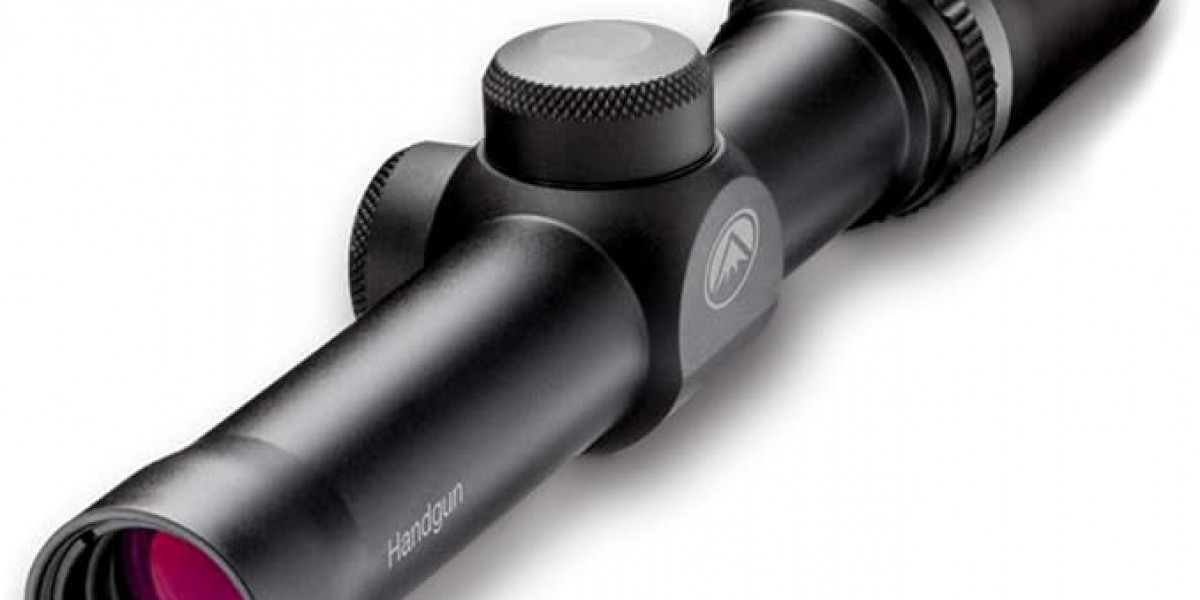

Modern targeting systems require fast reaction time, high precision, and reliable optical alignment to ensure accuracy in dynamic environments. A red dot sight is one of the most widely used optical aiming systems in tactical, sporting, and professional applications. However, many users still face performance issues due to poor calibration, weak optical projection, or unstable mounting systems.
When a red dot sight is not properly optimized, users may experience dot flicker, parallax error, brightness imbalance, and reduced targeting speed. These issues can significantly affect accuracy, especially in fast-moving or high-pressure scenarios where precision is critical.
To solve these problems, manufacturers are developing advanced red dot sight systems designed for improved optical stability, faster target acquisition, and long-term durability. As demand for accurate aiming systems increases, reliable optical sights have become essential in multiple industries.
What Is a Red Dot Sight?
A red dot sight is a non-magnifying optical device that uses an illuminated red dot reticle to help users aim quickly and accurately. The system projects a LED-generated dot onto a reflective lens, allowing the shooter to align the target with both eyes open.
Key components include:
- LED emitter system
- Reflective coated lens
- Optical housing body
- Brightness adjustment controls
- Power source (battery or integrated system)
Unlike traditional iron sights, red dot sights allow faster target acquisition and improved situational awareness.
Common applications include:
- Military and defense operations
- Law enforcement tactical systems
- Sport shooting competitions
- Hunting and outdoor targeting
- Industrial alignment tools
The primary purpose of a red dot sight is to improve speed and accuracy in target alignment under different conditions.
Common Problems in Red Dot Sight Systems
Even advanced red dot sights can experience issues if not properly designed or maintained.
Parallax Errors
Improper optical alignment can cause the dot to shift relative to the target.
Dot Flickering or Instability
Weak power supply or poor LED quality may cause inconsistent reticle visibility.
Brightness Control Issues
Incorrect brightness levels can reduce visibility in bright or low-light environments.
Lens Reflection and Glare
Poor coating quality can create reflections that affect target clarity.
Mounting Instability
Loose or weak mounts can cause misalignment during recoil or movement.
How Advanced Red Dot Sight Technology Solves These Issues
Modern red dot sight systems are designed to improve precision, durability, and usability.
Improved Optical Alignment
Advanced engineering ensures consistent dot positioning with minimal parallax effect.
Stable LED Projection
High-quality emitters provide consistent brightness without flickering.
Adaptive Brightness Control
Automatic adjustment improves visibility in different lighting conditions.
Anti-Reflective Lens Coatings
Advanced coatings reduce glare and improve target clarity.
Shock-Resistant Mounting Systems
Strong construction ensures stability even under recoil or vibration.
Industries That Use Red Dot Sight Technology
Red dot sights are widely used in professional and tactical environments.
Military Applications
Used for rapid target acquisition in combat and operational scenarios.
Law Enforcement
Supports accurate aiming in tactical response situations.
Sport Shooting
Enhances speed and precision in competitive shooting events.
Hunting Industry
Improves target tracking and accuracy in outdoor environments.
Industrial Alignment Systems
Used in precision targeting and alignment tools in manufacturing.
Key Factors Businesses Must Evaluate
Selecting the right red dot sight requires careful technical evaluation.
Optical Clarity
Clear lenses improve visibility and targeting precision.
Dot Stability
Stable reticle projection ensures consistent aiming accuracy.
Battery Life
Long-lasting power ensures uninterrupted operation.
Durability
Strong construction supports long-term use in harsh environments.
Environmental Resistance
Waterproof and shockproof designs improve reliability in all conditions.
Challenges in Red Dot Sight Development
Despite advancements, several challenges still exist in optical sight systems.
Parallax Control Limitations
Completely eliminating parallax remains a technical challenge.
Power Dependency
Battery performance affects long-term reliability and usability.
Environmental Interference
Dust, fog, and extreme lighting can still impact visibility.
Best Strategy for Long-Term Target Accuracy
Businesses should avoid selecting low-quality sight systems for critical operations. Poor red dot sights can reduce accuracy and operational efficiency.
The best strategy is to work with experienced optical manufacturers that provide:
- Precision optical engineering
- Stable LED projection systems
- Durable shock-resistant construction
- Advanced anti-reflective coatings
- Technical integration support
This ensures long-term accuracy and reliable performance.
Future of Red Dot Sight Technology
The future of red dot sights is focused on improving intelligence, efficiency, and optical precision. As targeting systems evolve, red dot technology will become more advanced and adaptive.
Future developments may include:
- Smart auto-brightness AI systems
- Enhanced ultra-low power LED technology
- Integrated ballistic compensation systems
- Advanced lightweight optical materials
- Hybrid digital-optical sight systems
These innovations will improve accuracy, usability, and operational efficiency across industries.
Conclusion
Low-quality red dot sight systems can cause parallax errors, dot instability, and reduced targeting accuracy. Advanced red dot sight technology solves these issues through improved optical alignment, stable LED projection, adaptive brightness control, and enhanced durability.
For businesses in military, law enforcement, sport shooting, hunting, and industrial applications, selecting high-quality red dot sight solutions is essential for achieving reliable performance and long-term precision. As targeting technology continues to evolve, red dot sights will remain a core component in modern optical aiming systems.