Expected Swelling and Bruising After Fat Melting Injections
Introduction
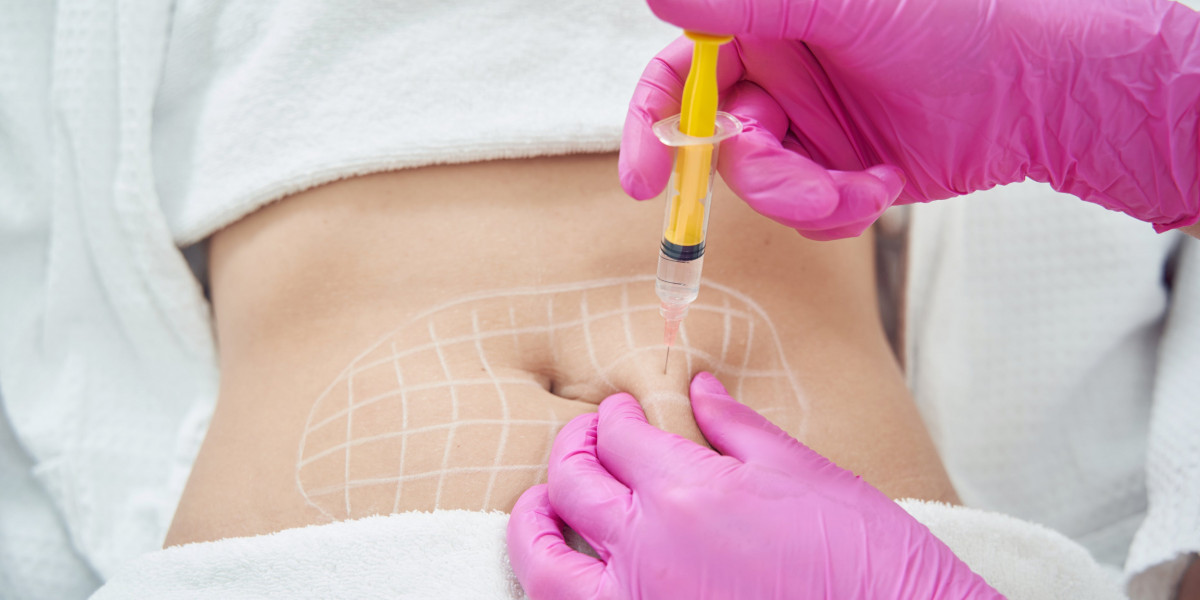
Swelling and bruising are among the most common and expected side effects after fat melting injections. These reactions are not signs of complications—in fact, they are a normal part of the body’s healing and fat breakdown process. Fat melting injection in Riyadh is a popular non-surgical option for targeted fat reduction and body contouring.
Since these injections work by disrupting fat cells under the skin, the body responds with inflammation as it begins clearing the treated fat. Understanding what is normal helps patients feel more confident during recovery and set realistic expectations.
Why Swelling Happens After Treatment
Swelling occurs because fat melting injections intentionally create a controlled reaction in the tissue.
After injection:
- Fat cell membranes are broken down
- The immune system activates to clear debris
- Fluid accumulates in the treated area
- Blood flow increases to support healing
This inflammatory response is essential for the treatment to work. Without it, fat breakdown would not occur effectively.
Swelling is usually more noticeable in areas with softer tissue, such as the chin or abdomen.
Typical Swelling Timeline
Swelling follows a predictable pattern for most patients:
First 24–48 Hours
- Swelling begins shortly after treatment
- The area may feel tight, warm, or firm
- Mild discomfort or tenderness is common
Days 3–7
- Swelling usually peaks during this phase
- The treated area may look visibly larger than before treatment
- Mild firmness or uneven texture may appear
Weeks 2–3
- Swelling gradually reduces
- Early contour improvements may start to appear
- Firmness softens significantly
4–6 Weeks
- Most swelling resolves
- Final fat reduction becomes more visible
In some cases, minor residual swelling can last longer depending on the area treated and individual response.
Bruising After Fat Melting Injections
Bruising is also common but typically mild and temporary.
It occurs because:
- Small blood vessels are affected during injection
- The needle may slightly damage capillaries
- Blood leaks into surrounding tissue
Bruises may appear as:
- Light red or pink patches initially
- Blue or purple discoloration
- Gradual fading to yellow or light brown
Bruising Timeline
Immediate After Treatment
- Bruising may not appear right away
- Some patients notice slight redness first
1–3 Days After
- Bruises become more visible
- Color may deepen to purple or dark blue
5–10 Days
- Bruising starts fading
- Color lightens gradually
10–14 Days
- Most bruising disappears completely
Factors That Affect Swelling and Bruising
Not everyone experiences swelling and bruising the same way. Several factors influence severity:
1. Treatment Area
- Chin and face: more noticeable swelling
- Abdomen and flanks: moderate swelling
- Arms or thighs: variable response
2. Individual Sensitivity
- Some people naturally bruise more easily
- Skin thickness and vascularity play a role
3. Injection Technique
- Experienced practitioners reduce trauma
- Poor technique may increase bruising risk
4. Aftercare Habits
- Physical activity too soon can worsen swelling
- Alcohol and blood-thinning medications may increase bruising
Normal vs. Concerning Swelling
Normal Signs
- Mild to moderate swelling
- Tenderness or firmness
- Temporary uneven texture
- Gradual improvement over days
When to Seek Advice
Contact a practitioner if you notice:
- Severe or worsening pain
- Swelling that increases after 1 week
- Signs of infection (fever, pus, extreme redness)
- Hard lumps that do not improve over time
Serious complications are rare when the procedure is performed correctly.
How to Reduce Swelling and Bruising
1. Cold Compress
Applying a cold pack for short intervals in the first 24–48 hours can help reduce swelling and discomfort.
2. Keep the Area Elevated
For facial treatments, sleeping with the head elevated can minimize fluid buildup.
3. Avoid Heat Exposure
Stay away from saunas, hot showers, and intense sun exposure during early recovery.
4. Avoid Strenuous Exercise
Heavy workouts can increase blood flow and worsen swelling for the first 48 hours.
5. Stay Hydrated
Good hydration supports lymphatic drainage and helps the body clear broken-down fat cells.
Role of Fat Breakdown in Swelling
It’s important to understand that swelling is not just a side effect—it is part of the treatment mechanism.
Fat melting injections, including those using deoxycholic acid like Kybella, work by destroying fat cells. The body then triggers inflammation to remove the damaged cells, which temporarily increases swelling.
In other words:
Swelling = active fat breakdown in progress
Conclusion
Swelling and bruising after fat melting injections are expected, temporary, and generally mild to moderate in nature. Swelling usually peaks within the first week and gradually subsides over several weeks, while bruising typically resolves within 1–2 weeks.