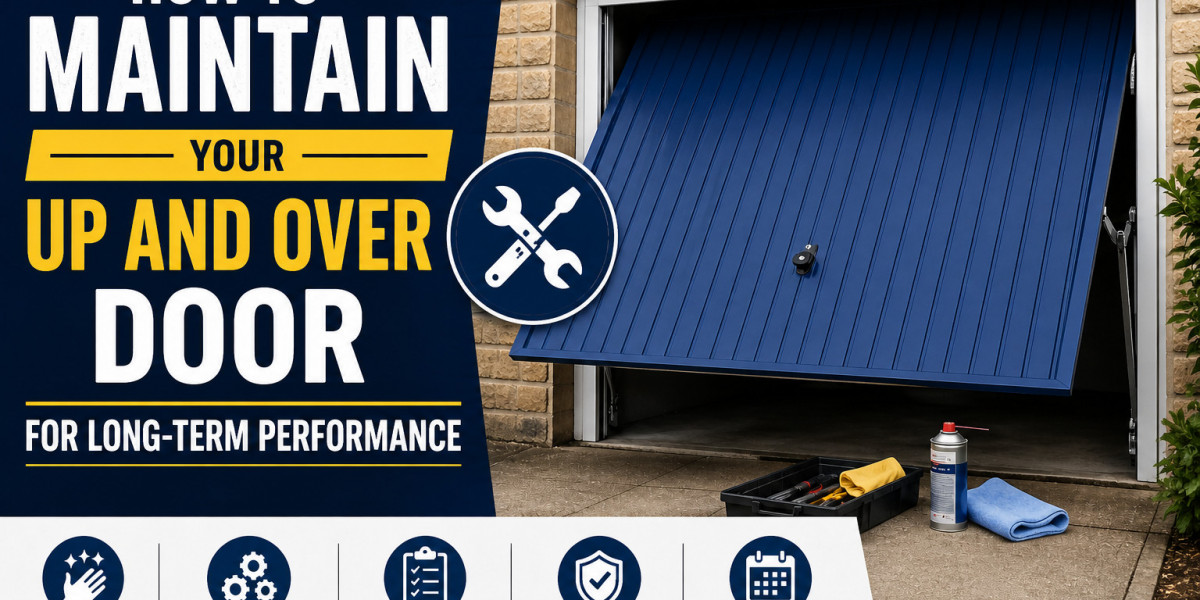

An up and over door is one of the most reliable and widely used garage door styles in the UK. Known for its simplicity, affordability, and durability, it remains a popular choice for homeowners. However, like any mechanical system, it requires regular care to ensure long-term performance and safety.
In this guide, we’ll explore practical maintenance tips inspired by industry best practices and insights from trusted providers like HD Doors, helping you extend the life of your garage door while avoiding costly repairs.
Why Regular Maintenance Matters
Garage doors are one of the most frequently used entry points in a home. Over time, constant movement can lead to wear and tear in key components such as springs, rollers, and tracks. Without proper maintenance, minor issues can quickly escalate into major problems.
Routine upkeep helps:
Prevent unexpected breakdowns
Improve operational efficiency
Enhance safety for users
Extend the lifespan of your garage door
Experts recommend inspecting and maintaining your garage door at least twice a year to ensure smooth operation.
1. Keep Your Door Clean
Cleaning is one of the simplest yet most effective ways to maintain your garage door. Dirt, debris, and environmental pollutants can damage the surface over time.
Use:
Mild detergent and water
Soft cloth or sponge
Clean water for rinsing
Avoid abrasive cleaners, as they can scratch or weaken the material. Regular cleaning every few months helps preserve the finish and prevents long-term damage.
2. Inspect Moving Parts Regularly
Your garage door relies on several moving components working together. Over time, these parts can loosen, wear out, or become misaligned.
Key areas to inspect:
Tracks for debris or obstruction
Rollers for wear or cracks
Hinges and bolts for looseness
Springs for signs of weakening
Regular inspections allow you to identify issues early before they become serious. Monitoring for unusual noises like grinding or squeaking is also important, as these can indicate underlying problems.
3. Lubricate Essential Components
Lubrication is critical for reducing friction and ensuring smooth operation. Without it, metal parts can grind against each other, leading to noise and faster wear.
Apply a silicone-based lubricant to:
Hinges
Rollers
Springs
Bearings
Proper lubrication not only improves performance but also extends the lifespan of mechanical parts. It’s one of the easiest ways to keep your system running quietly and efficiently.
4. Check Door Balance and Alignment
A well-balanced garage door operates smoothly and safely. If the door is unbalanced, it can strain the opener and other components.
To test balance:
Disconnect the opener
Lift the door halfway
Release it carefully
If the door doesn’t stay in place, it may need professional adjustment. Ignoring balance issues can lead to premature wear or even safety hazards.
5. Keep Tracks Clear (But Don’t Grease Them)
Tracks guide the door’s movement, so keeping them clean is essential. Remove dirt, dust, and debris regularly to prevent obstruction.
Important tip:
Avoid applying grease directly to tracks, as it can attract dirt and worsen performance. Instead, keep them clean and dry for optimal function.
6. Examine Weather Seals
Weather seals play a crucial role in protecting your garage from external elements like rain, dust, and cold air.
Check for:
Cracks or gaps
Hardening or brittleness
Loose or damaged sections
Replacing worn seals improves insulation and protects stored items inside your garage.
7. Address Rust and Surface Damage
Exposure to moisture and weather conditions can lead to rust, especially on metal doors. Regularly inspect the surface for signs of corrosion.
To maintain the finish:
Clean and dry the surface
Sand small rust spots
Apply protective paint or coating
This not only improves appearance but also prevents structural weakening over time.
8. Tighten Hardware and Fasteners
Garage doors move up and down multiple times a day, causing vibrations that can loosen hardware over time.
Check and tighten:
Bolts
Screws
Brackets
Hinges
Loose components can affect alignment and lead to noisy operation, so regular tightening is essential for stability.
9. Schedule Professional Servicing
While basic maintenance can be done at home, some tasks require professional expertise. Components like springs and cables operate under high tension and can be dangerous to handle.
A professional service from experts like HD Doors ensures:
Safe inspection of critical parts
Accurate adjustments
Early detection of hidden issues
Professional servicing at least once a year can significantly improve performance and longevity.
10. Know When Repairs Are Needed
Even with regular maintenance, parts will eventually wear out. Common signs that your garage door needs attention include:
Difficulty opening or closing
Unusual noises
Jerky or uneven movement
Visible damage to components
Addressing these issues early can save you from expensive replacements and ensure continued safety.
Final Thoughts
Maintaining an up and over door doesn’t require complex tools or advanced skills—just consistency and attention to detail. By following these simple steps, you can keep your garage door functioning smoothly for years to come.
Reliable providers like HD Doors emphasize the importance of regular care, proper inspections, and timely repairs to maximise performance and durability. With the right approach, your garage door will remain a dependable part of your home.
FAQs
1. How often should I maintain my up and over door?
It’s recommended to perform basic maintenance every 3–6 months and schedule professional servicing annually.
2. Can I lubricate all parts of my garage door?
No, only moving parts like hinges and rollers should be lubricated. Tracks should remain clean and dry.
3. What causes a garage door to become noisy?
Noise is usually caused by worn rollers, loose hardware, or lack of lubrication in moving components.
4. Is it safe to repair garage door springs myself?
No, springs are under high tension and can be dangerous. Always hire a professional for such repairs.
5. How can I extend the life of my garage door?
Regular cleaning, lubrication, inspections, and professional servicing are key to extending its lifespan.