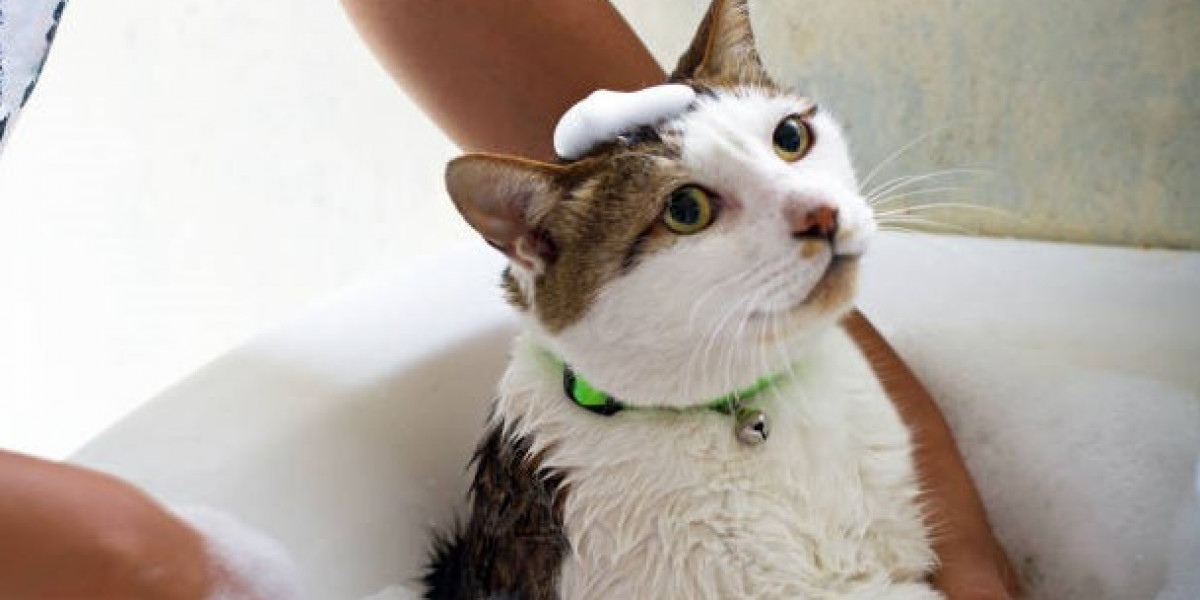

If you have ever tried to bathe a cat, you already know it is not the easiest task. Scratches, panic, and a very unhappy pet are common outcomes.
So naturally, many pet owners ask: Do I really need to give my cat a bath, or is waterless cleaning enough?
The answer is not one-size-fits-all. Both methods have their place, and choosing the right one depends on your cat’s coat, lifestyle, and temperament.
Understanding the difference between a full cat bath service and waterless cleaning helps you make better grooming decisions without stressing your pet.
Cat Bath vs Waterless Cleaning
Before choosing between the two, you need to understand what each method actually does.
A full bath is a deep cleaning process. It removes dirt, oil, allergens, and buildup from both the coat and skin. A professional cat bath service usually includes shampooing, rinsing, drying, and brushing.
Waterless cleaning is lighter. It uses sprays, foams, or wipes to clean the surface of the coat without soaking your cat in water.
So, when we talk about cat bath vs waterless cleaning, the real difference comes down to depth. One solves the problem at the root, while the other helps maintain cleanliness in between.
When a Cat Bath Is the Better Choice
When Your Cat Is Actually Dirty
If your cat has dirt, grease, or something sticky in their coat, waterless products will only do surface-level cleaning. They may improve appearance slightly, but they do not remove what is sitting deeper in the coat or on the skin.
This is where a proper bath makes a clear difference. It does not just clean what you see, it cleans what you cannot.
A full bath helps:
Remove deep buildup that wipes and sprays cannot reach
Clean the skin underneath, not just the outer fur
Prevent irritation caused by trapped dirt and oils
So, in the cat bath vs waterless cleaning comparison, visible dirt is one of the clearest signs that a bath is the better option.
When The Coat Is Matted or Heavy
Matting is often underestimated. It may look like a small tangle, but over time it tightens and starts pulling on the skin.
When the coat becomes heavy or tangled, brushing alone is not enough. In fact, dry brushing over mats can make the situation worse by increasing tension on the skin.
A proper bath helps reset the coat condition by:
Softening the fur so it becomes easier to manage
Loosening dirt and debris trapped inside the mats
Making detangling safer and more effective
Without this step, mats often become tighter and may eventually require shaving, which most pet owners want to avoid.
When There Is Odor or Skin Discomfort
Cats are known for keeping themselves clean, so when odor becomes noticeable, it usually means something has built up over time.
This could be excess oil, environmental dirt, or even residue from litter. In such cases, waterless cleaning may mask the smell temporarily, but it does not fix the root cause.
A proper bath helps by:
Removing odor at the source instead of covering it
Restoring the natural balance of the coat
Soothing mild skin irritation when the right products are used
This approach is similar to how professionals handle hygiene in dog grooming services, where the goal is not just appearance but overall coat and skin health.
When Waterless Cleaning Works Better
Now let’s shift to the other side of cat bath vs waterless cleaning, where waterless options are not just convenient, but actually the better choice.
When Your Cat Is Stressed Around Water
Some cats simply do not tolerate water. They panic, struggle, and associate grooming with fear. Forcing a bath in these situations can create long-term resistance.
This is where waterless cleaning becomes valuable. It allows you to maintain hygiene without triggering stress.
It works better because it:
Avoids panic, scratching, and negative experiences
Keeps grooming calm and manageable
Allows gradual introduction to grooming routines
This is very similar to early puppy grooming, where the focus is on building comfort before introducing more involved grooming steps.
For Quick Maintenance Between Grooming Sessions
Not every grooming session needs to be deep or time-consuming. Even a clean cat may need occasional touch-ups.
Waterless cleaning is ideal for these in-between moments because it:
Removes light dirt or dust from the coat
Helps freshen up areas like paws or under the tail
Maintains overall hygiene without a full bath
In the ongoing comparison of cat bath vs waterless cleaning, this is where waterless methods are most practical. They help extend the time between full baths while keeping your cat comfortable.
For Older or Sensitive Cats
Senior cats or those with health concerns often have a lower tolerance for physical stress. A full bath may be too much for them, especially if they have joint pain or medical conditions.
Waterless cleaning offers a gentler alternative that still supports hygiene.
It becomes the better choice because it:
Reduces strain on the body
Keeps grooming sessions short and manageable
Maintains cleanliness without overwhelming the cat
In these cases, the goal shifts from perfect grooming to safe and consistent care, which waterless methods provide effectively.
Conclusion
The debate around cat bath vs waterless cleaning is not about which method is better overall. It is about which method is better at a specific moment. A bath gives you a deep, complete cleaning. Waterless methods help you maintain that cleanliness in a simple and stress-free way.
When you understand the difference, grooming stops feeling confusing and starts feeling manageable. And ultimately, that is what good grooming should do. Make life easier for both you and your pet.