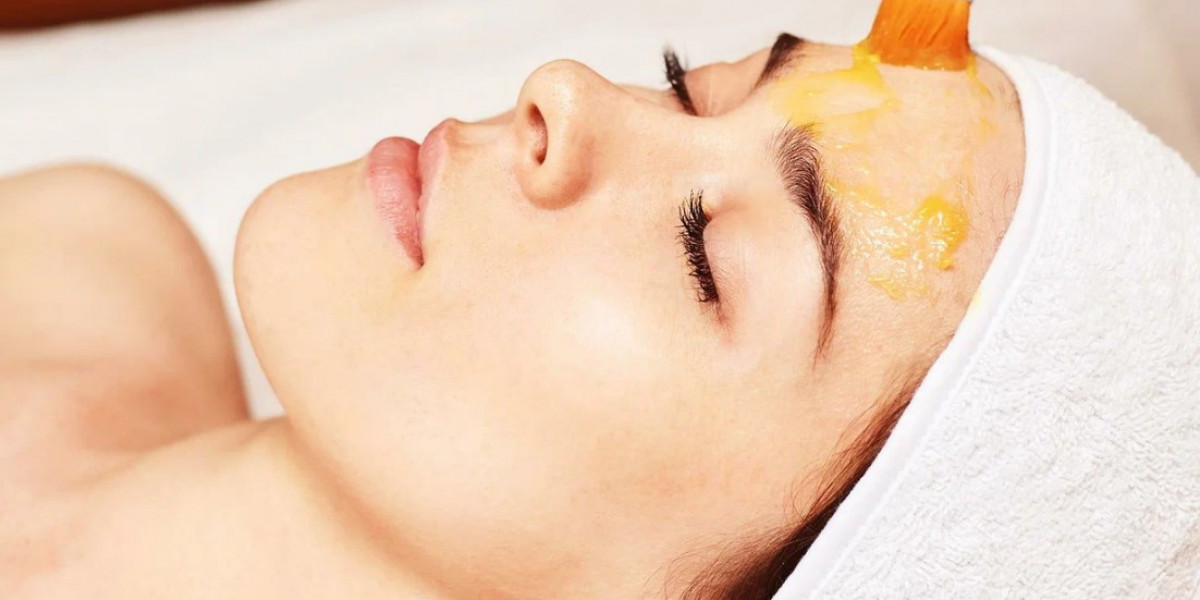

Chemical Peels for Oily Skin Control and Pore Reduction
Introduction
Oily skin is a common concern caused by overactive sebaceous glands that produce excess sebum. This can lead to clogged pores, acne breakouts, blackheads, and visibly enlarged pores. One of the most effective professional treatments for managing these issues is chemical peels.
Chemical peels help regulate oil production, deeply cleanse pores, and improve overall skin texture. With consistent treatment, they can significantly reduce shine and refine the appearance of pores, giving the skin a smoother and more balanced look. Chemical Peels in Riyadh are a popular skincare option for improving skin texture, reducing pigmentation, and achieving a brighter, more even complexion.
Understanding Oily Skin and Enlarged Pores
Oily skin develops when the sebaceous glands produce more oil than the skin needs. This excess oil mixes with dead skin cells and debris, leading to:
- Clogged pores
- Blackheads and whiteheads
- Acne breakouts
- Enlarged or visible pores
- Greasy skin appearance
Over time, pores may appear larger due to repeated clogging and stretching of the skin.
How Chemical Peels Work for Oily Skin
Chemical peels use exfoliating acids to remove the top layer of dead skin and penetrate into pores. This helps reduce oil buildup and improves skin clarity.
They work in several ways:
- Dissolve excess oil and debris inside pores
- Exfoliate dead skin cells that block pores
- Reduce bacterial buildup linked to acne
- Improve skin turnover and renewal
- Refine skin texture over time
Best Types of Chemical Peels for Oily Skin
1. Salicylic Acid Peels
Salicylic acid is one of the most effective ingredients for oily and acne-prone skin.
Why it works:
- Oil-soluble, so it penetrates deep into pores
- Breaks down sebum and debris
- Has anti-inflammatory properties
Benefits:
- Reduces acne and blackheads
- Controls excess oil production
- Minimizes pore congestion
This is often the first-choice peel for oily skin management.
2. Glycolic Acid Peels
Glycolic acid is an alpha hydroxy acid (AHA) that works on the skin’s surface.
Benefits:
- Removes dead skin buildup
- Improves skin brightness
- Helps refine uneven texture
- Supports gradual pore tightening
It is often used for mild to moderate oily skin concerns.
3. Lactic Acid Peels
Lactic acid is a gentler AHA, suitable for sensitive oily skin.
Benefits:
- Light exfoliation without irritation
- Hydrates while controlling oil balance
- Improves overall skin smoothness
It is ideal for those who cannot tolerate stronger acids.
4. Combination Peels
Some treatments combine multiple acids for enhanced results.
Benefits:
- Targets both surface and deep pore issues
- Improves acne, oil control, and texture together
- More balanced and customized results
How Chemical Peels Reduce Pore Size
While pores cannot physically “shrink,” chemical peels make them appear smaller by improving skin clarity and structure.
1. Deep Cleansing of Pores
By removing trapped oil and debris, pores become less visible and less stretched.
2. Reduction in Oil Production
Regular peels help regulate sebaceous gland activity, leading to less oil buildup.
3. Improved Skin Elasticity
Increased cell turnover and collagen stimulation make skin firmer, tightening the appearance of pores.
4. Smoother Skin Surface
When dead skin is removed, light reflects more evenly, making pores less noticeable.
Benefits of Chemical Peels for Oily Skin
Consistent chemical peel treatments provide multiple benefits:
- Reduced excess oil and shine
- Fewer acne breakouts
- Clearer and cleaner pores
- Improved skin texture
- More even skin tone
- Reduced blackheads and whiteheads
Over time, skin becomes less congested and more balanced.
What to Expect During Treatment
A typical chemical peel session for oily skin includes:
- Cleansing the skin thoroughly
- Applying the selected acid solution
- Allowing it to work for a few minutes
- Neutralizing or removing the peel
- Applying soothing and protective products
After the session, mild redness or slight peeling may occur depending on peel strength.
Aftercare for Oily Skin After Peels
Proper aftercare is essential for maintaining results and preventing irritation.
Key steps include:
- Use a gentle, non-comedogenic cleanser
- Apply lightweight, oil-free moisturizer
- Avoid heavy makeup for 24–48 hours
- Use sunscreen daily
- Avoid scrubbing or exfoliating products temporarily
Following aftercare instructions helps prevent rebound oiliness or irritation.
How Often Should Oily Skin Get Chemical Peels?
The frequency depends on skin condition and peel type:
- Light peels: every 2–4 weeks
- Medium peels: every 4–6 weeks
- Maintenance: as recommended by a dermatologist
Regular sessions provide better long-term oil control and pore refinement.
Limitations to Keep in Mind
While chemical peels are highly effective, they are not a permanent cure for oily skin. Results depend on:
- Skincare routine consistency
- Hormonal balance
- Diet and lifestyle
- Sun protection habits
They work best as part of a complete skincare plan.
Conclusion
Chemical peels are an effective and scientifically supported solution for managing oily skin and reducing the appearance of enlarged pores. By deeply cleansing pores, controlling oil production, and improving skin texture, they help restore a smoother and more balanced complexion.





