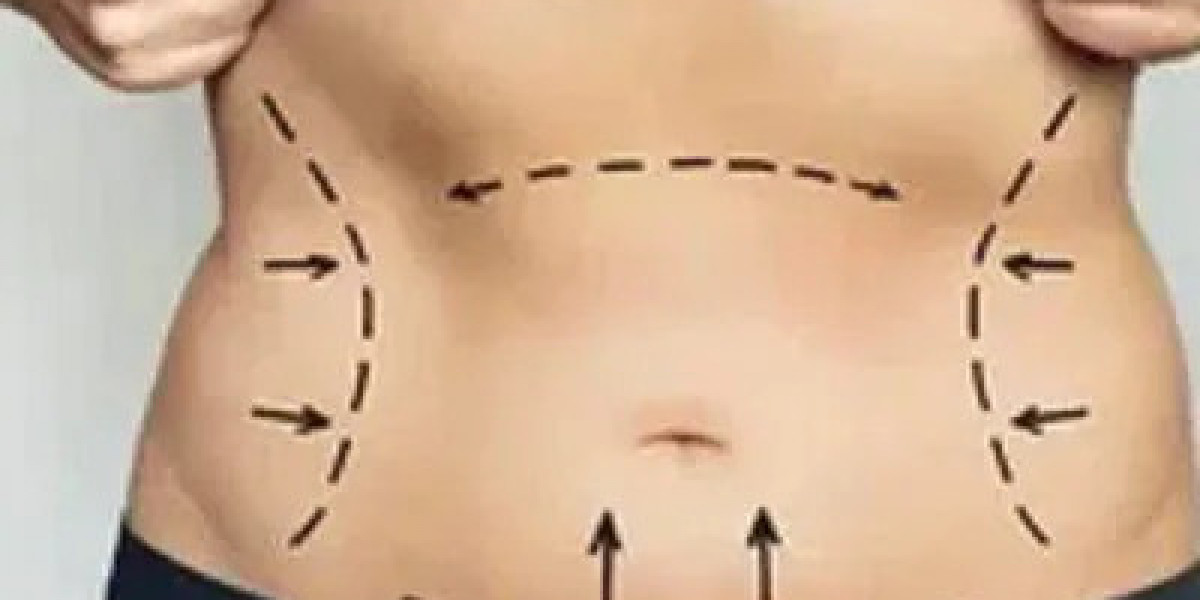

Abdominoplasty, commonly called a tummy tuck, is a reconstructive cosmetic procedure focused on improving abdominal contour by removing excess skin, reducing localized fat, and tightening weakened or separated abdominal muscles. It is most commonly performed after pregnancy, significant weight loss, or age-related tissue laxity when the abdominal wall loses its natural firmness and elasticity.
Anatomical focus and surgical logic
The abdomen is made up of multiple layers: skin, fat, fascia, and muscle. In abdominoplasty, the key correction is not only surface skin removal but also deep structural reinforcement of the abdominal wall. When the rectus muscles separate, internal pressure distribution changes, which can lead to bulging even in slim individuals. Surgical repair restores this internal tension balance.
Surgical technique considerations
During abdominoplasty, surgeons carefully decide incision placement based on:
- Skin redundancy pattern
- Fat distribution
- Belly button position
- Existing scars or previous surgeries
The goal is to achieve maximum contour improvement while minimizing visible scarring and preserving blood supply to the skin flap.
Umbilical repositioning
In full abdominoplasty, the navel is often repositioned to match the newly tightened abdominal skin. This step is critical for achieving a natural appearance. Poor positioning can make results look artificial, which is why precise measurement and symmetry are essential.
Tissue tension and surgical balance
One of the most important aspects of abdominoplasty is tension management. If skin is tightened too aggressively, it can lead to wound stress or widened scars. If too loose, results may appear under-corrected. Surgeons aim for a balance between aesthetic tightening and biological safety.
Recovery physiology
After abdominoplasty, the body goes through a controlled healing response:
- Inflammation phase (initial swelling and fluid response)
- Proliferation phase (new collagen formation and tissue repair)
- Remodeling phase (scar maturation and final contour stabilization)
This is why final results take several months to fully appear.
Functional limitations and adaptation
Even after external healing, the abdominal wall continues to strengthen internally. Patients often notice:
- Temporary reduced core strength
- Gradual improvement in posture
- Reduced strain in lower back (in some cases)
However, full strength recovery depends on proper rehabilitation and time.
Risk awareness in real practice
Even in well-performed abdominoplasty, some variables cannot be fully controlled:
- Individual healing differences
- Skin elasticity variation
- Genetic scar response
- Fluid retention tendencies
This is why follow-up care is as important as the surgery itself.
Role of surgical expertise
Outcome quality in abdominoplasty is strongly dependent on surgical planning, technique precision, and post-operative monitoring. Facilities such as Enfield Royal Clinic typically emphasize structured evaluation, controlled surgical steps, and guided recovery to improve safety and aesthetic consistency.
ConclusionAbdominoplasty is a technically advanced body contouring procedure that goes beyond skin removal—it involves muscle reconstruction, tissue repositioning, and long-term structural reshaping of the abdomen. When performed with proper planning, realistic expectations, and professional care at Enfield Royal Clinic, it can deliver stable, natural, and long-lasting improvement in abdominal shape and body balance.