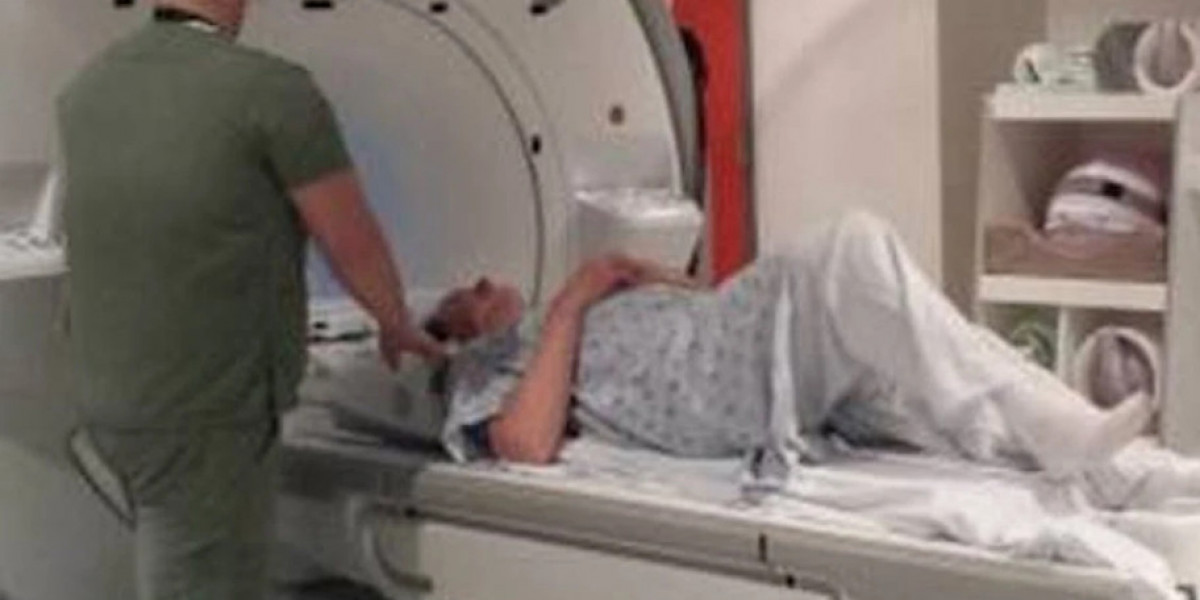

Access to timely healthcare is a critical concern across Canada, and Halifax is no exception. One of the most pressing issues facing patients today is the delay in receiving diagnostic tests such as MRI and ultrasound scans. At the heart of this challenge lies Halifax Infirmary diagnostic imaging, a vital service that supports thousands of patients each year.
While the system provides high-quality care, increasing demand, limited resources, and systemic inefficiencies have led to significant wait times—sometimes impacting patient outcomes.
In this article, we explore real data, key challenges, and practical solutions shaping the future of diagnostic imaging in Halifax.
Why Diagnostic Imaging Matters
Diagnostic imaging plays a crucial role in modern healthcare. It includes technologies such as:
MRI (Magnetic Resonance Imaging)
CT scans
Ultrasound
X-rays
These tools allow physicians to detect diseases early, monitor conditions, and guide treatment decisions.
However, the effectiveness of these technologies depends heavily on timely access. Delays in imaging can lead to:
Disease progression
Delayed treatment
Increased health risks
This is why improving Halifax Infirmary diagnostic imaging wait times is essential for better patient outcomes.
Real Data: Imaging Wait Times in Halifax
Recent official data from Nova Scotia’s wait time reporting system reveals the scale of the issue:
MRI Wait Times
50% of patients in Halifax are seen within 33 days at QEII Health Sciences Centre
However, 90% of patients may wait up to 736 days (over 2 years)
For specific cases:
Brain MRI: up to 805 days for 90% of patients
Heart MRI: up to 980 days for 90% of patients
Ultrasound Wait Times
Median wait time: around 41 days
In some Halifax facilities, waits can extend to 246 days
These numbers highlight a major gap between urgent vs non-urgent care. While critical cases are prioritized, routine patients often face long delays.
The Reality: Long Waits and Their Impact
The growing demand for imaging services has created a backlog across Nova Scotia.
According to healthcare experts:
Some patients wait over a year for MRI scans
Delays can lead to worse health outcomes and more invasive treatments
This directly affects patients relying on Halifax Infirmary diagnostic imaging, especially those with:
Chronic conditions
Undiagnosed symptoms
Non-emergency cases
The longer the wait, the greater the risk of complications.
Key Challenges Behind Imaging Delays
Several factors contribute to long wait times:
1. Increased Demand
With an aging population and rising chronic illnesses, the demand for imaging has surged.
2. Limited Equipment and Staff
Shortage of MRI machines
Lack of trained radiologists and technicians
3. Inefficient Referral Systems
Although improvements are being made, referral processes can still cause delays.
Nova Scotia has introduced electronic referral systems (eReferrals) to streamline imaging requests and reduce duplication
4. Priority-Based Scheduling
Emergency cases are prioritized, meaning routine patients often wait longer.
The Role of Halifax Infirmary in Diagnostic Imaging
The Halifax Infirmary, part of the QEII Health Sciences Centre, is one of the busiest healthcare facilities in the region. It handles:
High patient volumes
Complex cases
Emergency and trauma imaging
As a result, Halifax Infirmary diagnostic imaging services are under constant pressure to balance urgent and routine care.
Despite these challenges, the facility remains a cornerstone of healthcare delivery in Nova Scotia.
Solutions: How the System Is Improving
Efforts are underway to reduce wait times and improve access:
1. Expansion of Imaging Capacity
Addition of new MRI machines
Increased scanning hours
2. Digital Transformation
eReferral systems for faster scheduling
Better coordination between providers
3. Improved Triage Systems
Radiologists prioritize cases based on urgency, ensuring critical patients receive timely care.
Private Imaging Clinics: A Growing Alternative
To address delays, many patients are turning to private imaging clinics.
For example, Why Wait Imaging Inc. offers:
Same-day MRI and ultrasound scans
Advanced diagnostic technology
Faster reporting and diagnosis
Their approach focuses on reducing wait times and enabling early diagnosis—an important factor in improving health outcomes.
Technology and Innovation: The Future of Imaging
Technology is playing a major role in improving diagnostic imaging:
Artificial Intelligence (AI)
AI can:
Prioritize urgent scans
Reduce reporting time
Improve diagnostic accuracy
Studies show AI-based systems can significantly reduce imaging workflow delays, especially in busy hospitals.
Smart Scheduling Systems
Advanced algorithms can:
Predict wait times
Optimize patient flow
Reduce bottlenecks
These innovations are expected to enhance efficiency in Halifax Infirmary diagnostic imaging services.
What Patients Can Do to Reduce Wait Times
Patients are not powerless—there are steps that can help:
1. Discuss Urgency with Your Doctor
Ensure your condition is properly prioritized.
2. Ask About Cancellation Lists
You may get an earlier appointment if a slot opens.
3. Consider Alternative Locations
Some facilities outside Halifax may have shorter wait times.
4. Explore Private Imaging Options
Clinics like Why Wait Imaging provide faster access when time is critical.
Balancing Public and Private Healthcare
The future of diagnostic imaging in Halifax lies in collaboration:
Public hospitals provide accessible, essential care
Private clinics offer faster alternatives
Technology improves efficiency across both systems
Together, these elements can reduce delays and improve outcomes.
Conclusion
Wait times for Halifax Infirmary diagnostic imaging remain a significant challenge, with some patients waiting months—or even years—for essential scans.
However, progress is being made through:
Infrastructure improvements
Digital systems
Private healthcare partnerships
Technological innovation
As healthcare continues to evolve, the focus must remain on one key goal: