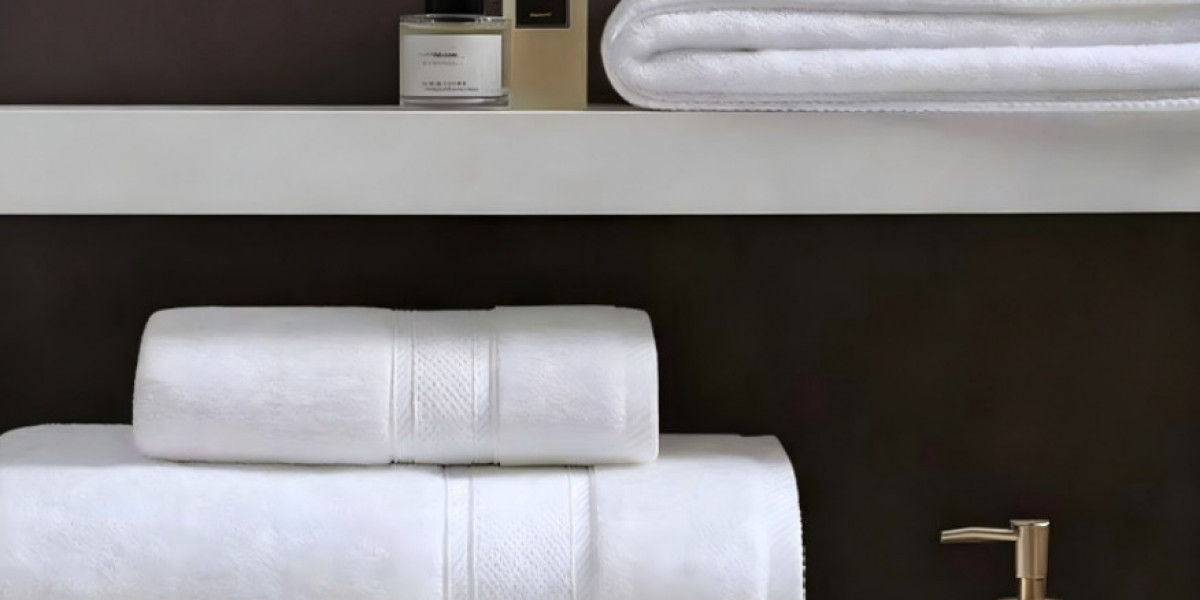

From the moment a guest walks into their room, the texture, cleanliness, and presentation of fabrics set the tone for their entire stay. Whether it is the crisp sheet beneath their fingers or the plush towel waiting after a shower, every textile contributes to a feeling of care and quality. This is precisely why linen for hotels must be selected with attention to durability, softness, and ease of maintenance. Hospitality environments place extraordinary demands on fabrics, with daily laundering, heavy usage, and constant exposure to stains and detergents. Unlike home textiles, which may see weekly or monthly use, hotel linens are washed hundreds of times per year and must retain their appearance and structural integrity throughout that punishing cycle.
Understanding the Different Types of Linen for Hotels
A well-run hotel requires multiple categories of fabric products, each serving a distinct purpose. Bed linens include flat sheets, fitted sheets, pillowcases, duvet covers, and mattress protectors. Bath linens cover bath towels, hand towels, face cloths, bath mats, and sometimes pool or spa towels. Beyond guest rooms, restaurants and event spaces need tablecloths, napkins, and runner fabrics. The common thread across all these items is the need for consistent quality. A reliable supply of linen for hotels ensures that guests never encounter stained sheets, frayed towels, or rough pillowcases. Each product category has its own performance requirements. Bed sheets prioritize breathability and a smooth hand feel, while bath towels demand high absorbency and quick drying. Table linens must resist staining and hold up to frequent pressing.
Material Choices and Their Impact on Hotel Operations
Cotton remains the most popular fiber for professional hospitality textiles, particularly long-staple varieties such as Egyptian, Supima, or Turkish cotton. These fibers produce stronger, smoother threads that resist pilling and maintain softness through hundreds of industrial wash cycles. Many mid-range and economy properties choose cotton-polyester blends, which offer wrinkle resistance and lower replacement costs at the expense of some softness. For eco-conscious brands, organic cotton and recycled fiber options are becoming more widely available. When evaluating linen for hotels, decision makers must look beyond initial purchase price and consider cost-per-use. A cheaper sheet that tears after fifty washes ultimately costs more than a premium sheet that lasts for three hundred cycles. Additionally, higher quality fabrics often require less detergent, lower washing temperatures, and shorter drying times, reducing utility bills and environmental impact.
Weave Structures and Thread Count Demystified
Many buyers mistakenly fixate on thread count as the sole indicator of quality. In reality, a thread count between 200 and 400 is ideal for most hotel applications, provided the fabric uses single-ply yarns and an appropriate weave. Percale weaves deliver a cool, crisp, matte finish that breathes well, making them perfect for warm climates or summer seasons. Sateen weaves offer a silky, lustrous surface that resists wrinkles, suiting luxury properties and cooler environments. The best linen for hotels balances thread count with yarn quality and weave type. An 800-thread-count sheet made from multi-ply yarns may feel stiff, trap heat, and pill quickly, whereas a well-constructed 300-thread-count percale sheet provides superior comfort and longevity.
Laundry and Durability Considerations
Commercial laundry operations subject fabrics to extreme conditions, including high temperatures, aggressive agitation, and strong chemicals such as chlorine bleach and alkaline detergents. Therefore, any linen for hotels must demonstrate excellent tear strength, colorfastness, and shrinkage resistance. Professional-grade hospitality textiles often receive specialized finishing treatments that reduce pilling, improve tensile strength, and enhance stain release. Before committing to a large order, hotel operators should request product specifications that include expected wash cycles and shrinkage percentages. A premium product may cost thirty percent more upfront but deliver twice the lifespan, significantly lowering annual replacement budgets.
Creating Consistency Across Your Property
Guests notice inconsistencies. When the pillowcases feel different from the fitted sheet, or when bath towels in one room do not match those in another, the property appears disorganized. Standardizing on a single product line for all linen for hotels within a property simplifies inventory management, reduces training time for housekeeping staff, and ensures uniform guest experiences. Many successful hotels implement a rotation system where new linens enter premium rooms first, then move to standard rooms, and finally transition to staff areas or become cleaning rags. This systematic approach maximizes useful life while maintaining high standards in guest-facing areas.
Conclusion: Investing Wisely in Hotel Linens
Selecting the right linen for hotels requires balancing guest expectations, operational realities, and financial constraints. By focusing on material quality, appropriate weave structures, and verified durability data, hotel managers can reduce replacement frequency and enhance overall guest satisfaction. Every touchpoint involving fabric contributes to the story your brand tells. Prioritize products that feel luxurious yet wash well, and your guests will reward you with loyalty and positive reviews. Whether operating a small boutique inn or a large resort chain, thoughtful choices in hospitality textiles pay dividends in comfort, efficiency, and reputation.