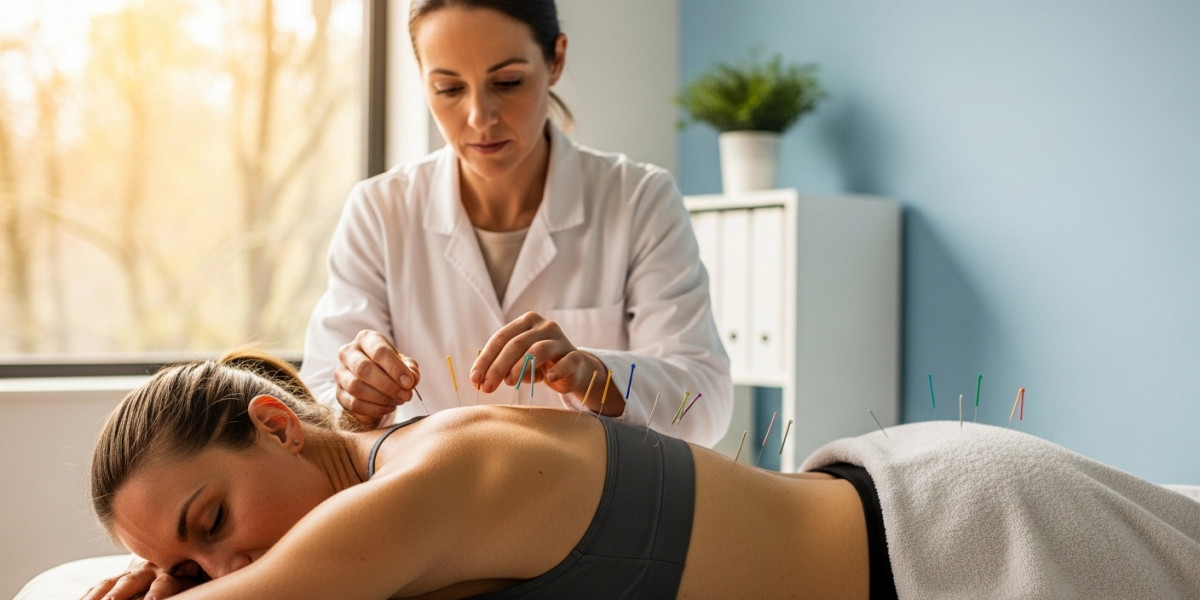

In the relentless pursuit of peak athletic performance, the body is constantly pushed to its limit. Whether you are a marathon runner, a weekend warrior, or a competitive weightlifter, the cycle of training and recovery defines your progress. While nutrition, sleep, and physical therapy are staples of an athlete’s routine, a growing number of competitors are turning to an ancient practice to gain a modern edge: acupuncture.
Integrating acupuncture for athletes into a training regimen is no longer just for those dealing with acute injuries. Today, it is recognized as a proactive strategy to balance the nervous system, manage systemic inflammation, and enhance the body’s natural recovery processes. By understanding how to time these treatments within your training cycle, you can push harder, recover faster, and stay consistent in your sport.
Understanding the Athlete’s Recovery Paradox
The most challenging aspect of athletic training is finding the "sweet spot" between stress and adaptation. To improve, you must stress the body through intense exercise. However, if the recovery phase is inadequate, you fall into the trap of overtraining, which can lead to fatigue, injury, and performance plateaus.
Acupuncture addresses this paradox by modulating the autonomic nervous system. Intense exercise keeps the body in a "fight or flight" (sympathetic) state. While necessary for performance, staying in this state for too long prevents the body from entering the "rest and digest" (parasympathetic) state required for tissue repair and hormonal balance. Regular acupuncture sessions help shift the body back into parasympathetic dominance, effectively hitting the reset button on your nervous system after a heavy training block.
Why Timing Matters: Integrating Acupuncture into Your Schedule
To maximize the benefits of acupuncture for athletes, you must treat it like any other component of your training plan. You wouldn't perform a high-intensity interval session on a rest day, and your acupuncture approach should be equally strategic.
During High-Volume Training Phases
When your training volume is at its peak, your goal is to manage inflammation and minimize muscle tension that could lead to compensatory injuries. During these periods, focus on bi-weekly maintenance sessions. These treatments are less about treating a specific injury and more about "clearing the channels," reducing systemic inflammation, and ensuring that muscle groups are firing efficiently rather than staying in a state of chronic hypertonicity.
During Tapering and Pre-Competition
As you enter a taper or approach a major competition, the focus shifts. Your goal here is neural priming—fine-tuning the nervous system to be reactive and fresh. Acupuncture during this phase can help reduce the anxiety associated with competition while ensuring that blood flow to major muscle groups is optimized. This is the time to work with your practitioner on localized points that support explosive movement and mental focus.
Post-Competition Recovery
After a major race or tournament, the body is often in a state of shock. Acupuncture is highly effective in the 48–72 hours following an event. It assists in lymphatic drainage and the clearance of metabolic waste products, which can significantly reduce the feeling of "heavy legs" and delayed onset muscle soreness (DOMS).
Managing Chronic Tension and Injury Prevention
Even the most dedicated athlete can be sidelined by minor aches that refuse to go away. These "niggles" are often precursors to more serious injuries. Many athletes seek out professional support when they reach a breaking point, but preventative care is where acupuncture truly shines.
If you are looking for specialized care in the Pacific Northwest, finding experienced practitioners who understand the nuances of athletic movement is crucial. Patients often seek out Pain Relief Specialists In Redmond Washington to bridge the gap between injury rehabilitation and full-scale return-to-play. By addressing muscular imbalances before they turn into tears or strains, you keep your training momentum alive without the costly interruptions of chronic pain.
The Role of Acupuncture in Performance Longevity
Why is acupuncture becoming a fixture in elite training rooms? It is because, unlike many modalities that target only the muscle tissue, acupuncture targets the nervous system and the fascia simultaneously.
Fascia, the connective tissue that wraps around muscles and organs, often becomes restricted after repetitive motion. Acupuncture needles can help release these fascial restrictions, allowing for greater range of motion and improved biomechanics. When your joints move through their full, intended range, you are inherently more powerful and less prone to the mechanical breakdowns that lead to common overuse injuries.
Conclusion
Optimizing your training and recovery cycles is the ultimate challenge for any athlete. By incorporating acupuncture into your routine, you are not just treating symptoms; you are optimizing the physiological systems that govern how your body handles stress and repairs itself.
Whether you are aiming to break a personal record or simply want to stay active for years to come, acupuncture offers a sophisticated, drug-free way to maintain your edge. By aligning your treatment sessions with the different phases of your training calendar, you can ensure your body is always ready for the next challenge.
Frequently Asked Questions
Q: How often should an athlete get acupuncture?
A: The frequency depends on your training intensity. During high-volume blocks, once every week or two is ideal for maintenance. During injury recovery or periods of extreme stress, your practitioner may recommend more frequent sessions until the issue is resolved.
Q: Can acupuncture replace physical therapy?
A: Acupuncture is best used as a complementary therapy alongside physical therapy. While physical therapy focuses on biomechanics and movement patterns, acupuncture excels at managing the nervous system response, reducing inflammation, and releasing fascial tension. Together, they provide a comprehensive approach to recovery.
Q: Will acupuncture make me feel tired after a session?
A: It is common to feel deeply relaxed or slightly tired after a session, as acupuncture shifts your body into a parasympathetic state. Most athletes find that this initial "heavy" feeling is followed by a significant increase in energy and mobility the following day. It is generally recommended to avoid high-intensity training immediately after an appointment.
Q: Do I need an injury to benefit from acupuncture?
A: Absolutely not. In fact, the greatest benefit of acupuncture for athletes is its role in injury prevention. By addressing muscle imbalances, reducing systemic tension, and improving recovery speed, you can prevent minor issues from ever becoming major setbacks.