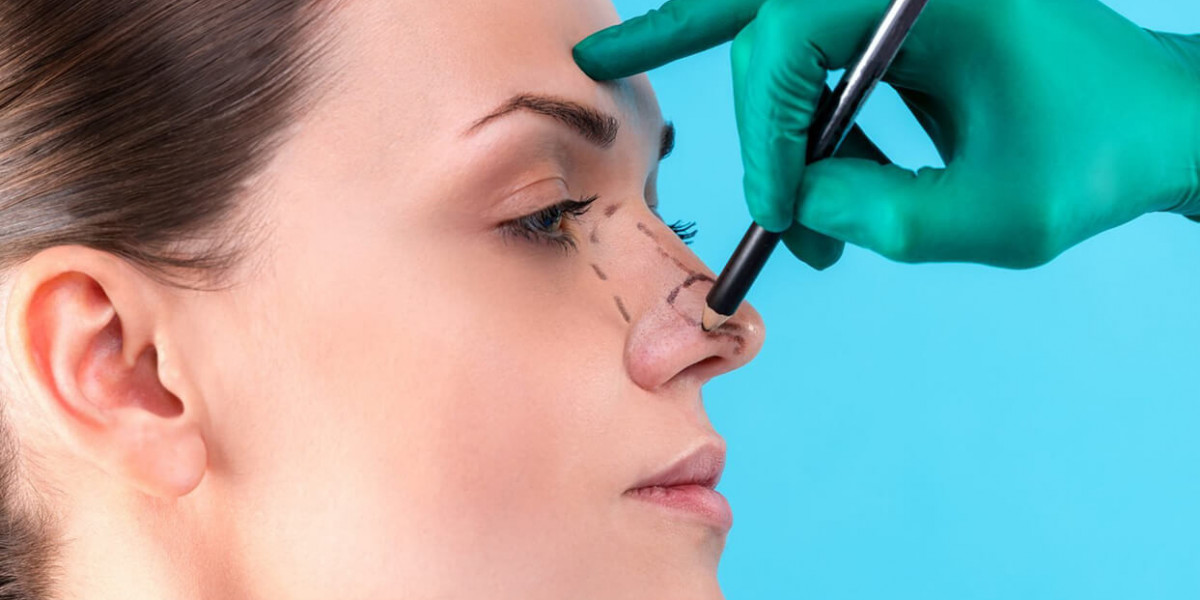

Cartilage Grafting Techniques Used in Nose Reshaping
Cartilage grafting is a fundamental technique in modern rhinoplasty used to reshape, support, and reconstruct the nasal structure. It involves taking cartilage from one part of the body and using it to reinforce or modify the shape of the nose. This method is especially important in both primary and revision rhinoplasty, where natural nasal support is insufficient or has been weakened. In advanced surgical centers such as those in Riyadh, cartilage grafting plays a key role in achieving stable, natural-looking, and long-lasting results. Rhinoplasty in Riyadh is a popular procedure for individuals seeking to improve both the appearance and function of their nose.
What Is Cartilage Grafting in Rhinoplasty?
Cartilage grafting refers to the process of harvesting cartilage from donor sites in the patient’s own body and implanting it into specific areas of the nose. Because the cartilage comes from the patient, it is highly biocompatible and reduces the risk of rejection or complications.
The main purpose of cartilage grafting is to:
- Strengthen nasal structure
- Improve breathing function
- Correct deformities or asymmetry
- Enhance aesthetic shape and definition
- Support weakened areas after previous surgery or trauma
This technique is widely used in both cosmetic and functional rhinoplasty procedures.
Common Donor Sites for Cartilage Harvesting
Surgeons carefully choose donor sites based on the complexity of the procedure and the amount of cartilage needed.
1. Septal Cartilage
The most commonly used source is the nasal septum, which is the central wall inside the nose.
Advantages:
- Easily accessible during rhinoplasty
- Matches nasal structure naturally
- Minimal external scarring
It is often the first choice for small to moderate grafting needs. However, its availability may be limited in revision surgeries or cases where the septum has already been used.
2. Ear (Auricular) Cartilage
Cartilage from the ear is another frequently used source, especially when more flexible graft material is needed.
Advantages:
- Easily harvested with minimal visible scarring
- Naturally curved, useful for shaping nasal contours
- Suitable for tip refinement and soft structural support
This type of cartilage is commonly used when subtle shaping or reconstruction is required.
3. Rib (Costal) Cartilage
Rib cartilage is used in more complex cases where a larger volume of structural support is needed, particularly in revision rhinoplasty.
Advantages:
- Provides strong and abundant material
- Ideal for major reconstruction
- Useful for correcting severe deformities or collapsed nasal structures
Although it requires a small chest incision, it offers the most structural support among all donor sources.
Common Cartilage Grafting Techniques
Different grafting techniques are used depending on the patient’s needs and the surgical goals.
1. Spreader Grafts
Spreader grafts are placed between the septum and the upper lateral cartilages.
Purpose:
- Improve nasal airflow
- Strengthen the nasal bridge
- Correct internal valve collapse
They are especially important in functional rhinoplasty for patients with breathing difficulties.
2. Tip Grafts
Tip grafts are used to refine and shape the nasal tip.
Purpose:
- Enhance definition of the nasal tip
- Improve projection and symmetry
- Correct drooping or uneven tips
These grafts are carefully shaped to maintain a natural appearance.
3. Shield Grafts
Shield grafts are placed at the nasal tip to provide structure and support.
Purpose:
- Strengthen weak or under-projected tips
- Improve tip definition
- Enhance overall nasal balance
They are commonly used in both male and female rhinoplasty, adjusted to maintain gender-appropriate aesthetics.
4. Alar Grafts
Alar grafts support the nostril area and sidewalls of the nose.
Purpose:
- Prevent nostril collapse during breathing
- Improve nasal stability
- Enhance symmetry of the nostrils
These grafts are essential in functional corrections.
5. Columellar Strut Grafts
A columellar strut graft is placed between the nasal tip and septum for structural support.
Purpose:
- Stabilize nasal tip position
- Maintain long-term shape
- Improve projection and alignment
This technique is commonly used in both primary and revision surgeries.
Role of Cartilage Grafting in Revision Rhinoplasty
Cartilage grafting is especially important in revision rhinoplasty, where previous surgery may have removed too much cartilage or weakened the nasal framework. In such cases, grafts are used to rebuild structure, restore symmetry, and correct functional issues.
In Riyadh, revision procedures often rely heavily on rib cartilage due to the increased need for structural reconstruction.
Benefits of Cartilage Grafting
Cartilage grafting offers several important advantages:
- Uses the patient’s own tissue, reducing rejection risk
- Provides long-lasting structural support
- Improves both appearance and function
- Allows precise customization of nasal shape
- Enhances breathing in functional cases
These benefits make it a cornerstone technique in modern rhinoplasty.
Possible Risks and Considerations
Although cartilage grafting is generally safe, it carries some potential risks:
- Warping or slight shifting of grafts over time
- Temporary swelling or discomfort at donor site
- Minor scarring depending on harvest location
- Absorption of small amounts of graft material in rare cases
Experienced surgeons minimize these risks through precise surgical techniques and careful planning.
Conclusion
Cartilage grafting is a highly important technique in nose reshaping surgery, allowing surgeons to reconstruct, support, and refine nasal structures with precision. By using cartilage from the septum, ear, or rib, surgeons can tailor each rhinoplasty to the patient’s specific needs. In Riyadh and other advanced medical centers, these techniques are widely used to achieve natural-looking, functional, and long-lasting results. Whether for cosmetic enhancement or complex reconstruction, cartilage grafting remains a key component of successful rhinoplasty procedures.