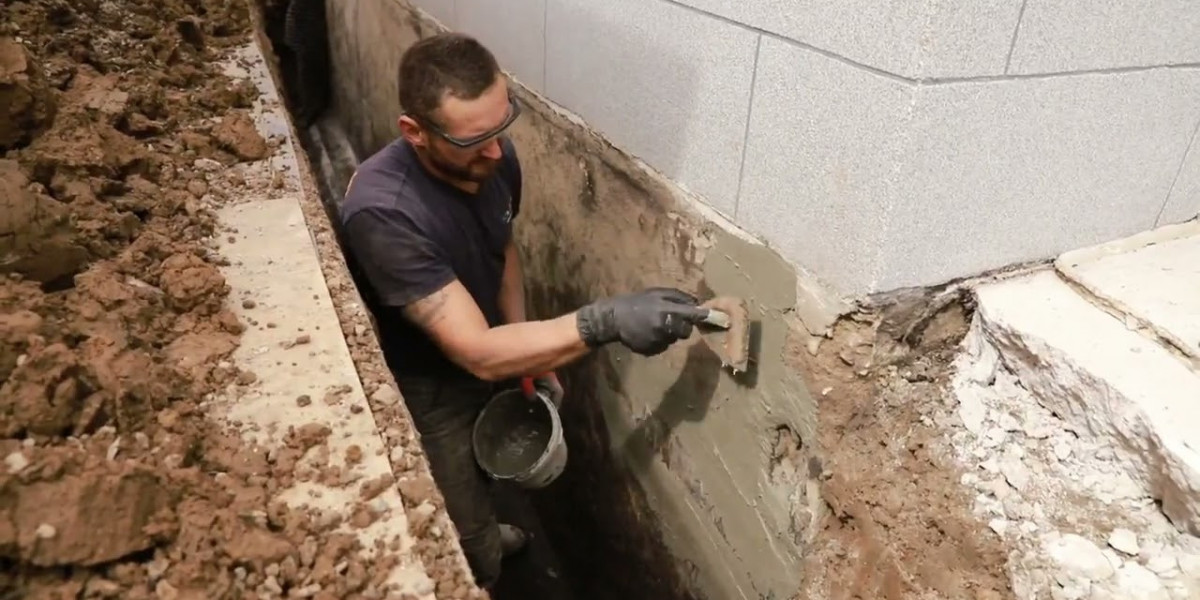

Water damage is one of the most underestimated threats to a home’s structure. At Key Waterproofing Construction, homeowners often discover that what starts as minor basement dampness can evolve into serious structural concerns. When it comes to long-term property protection, investing in professional basement waterproofing in Amherst, MA and surrounding Massachusetts communities is not just a preventive step—it’s a structural safeguard.
Whether you live in Cambridge, MA, near the coast, or in suburban neighborhoods with fluctuating soil conditions, protecting your foundation from water intrusion is essential for safety, comfort, and resale value.
Why Your Foundation Is Vulnerable to Water Damage
Your home’s foundation is constantly exposed to environmental stressors. Water is the most persistent and destructive of them all.
Common Causes of Foundation Moisture Problems
Heavy rainfall and snowmelt accumulation
Poor exterior grading and drainage
Hydrostatic pressure from saturated soil
Cracks in concrete walls or slabs
Aging waterproofing membranes
In regions like Amherst and Acushnet, MA, seasonal freeze-thaw cycles intensify these risks. When soil expands due to moisture and freezing temperatures, pressure builds against foundation walls. Over time, this can lead to:
Structural cracks
Bowing walls
Basement leaks
Mold growth
Decreased property value
Waterproofing addresses these issues at the source rather than masking the symptoms.
The Science Behind Basement Waterproofing
Understanding how water affects your foundation helps clarify why waterproofing solutions are critical.
Hydrostatic Pressure Explained
When soil around your home becomes saturated, it creates hydrostatic pressure. This force pushes water against the basement walls and floors. Even solid concrete is porous at a microscopic level, allowing moisture penetration over time.
Professional basement waterproofing systems are designed to:
Redirect water away from foundation walls
Relieve pressure buildup
Seal cracks and vulnerable joints
Prevent interior seepage
By managing water flow properly, homeowners protect both structural integrity and indoor air quality.
How Basement Waterproofing Protects Your Foundation
1. Prevents Structural Cracks
Water infiltration weakens concrete and causes expansion during freezing temperatures. Waterproofing reduces moisture exposure, minimizing crack formation and preventing minor fissures from expanding into costly structural damage.
2. Reduces Soil Movement Around the Foundation
Fluctuating moisture levels cause soil to expand and contract. This movement destabilizes foundations. Proper drainage systems and exterior waterproofing stabilize surrounding soil conditions.
3. Protects Against Mold and Mildew
Moist basements create ideal conditions for mold. Beyond structural risks, mold affects respiratory health and reduces indoor air quality. Waterproofing keeps basement environments dry and healthier.
4. Increases Property Value
Buyers are cautious about water damage. A professionally waterproofed basement:
Boosts resale appeal
Prevents inspection issues
Demonstrates proactive home maintenance
Reduces future liability concerns
For homeowners considering selling in competitive markets like Cambridge, MA, foundation protection is a strategic investment.
Interior vs. Exterior Basement Waterproofing
Every property has unique soil composition, drainage patterns, and construction history. That’s why solutions vary.
Interior Waterproofing Systems
Sump pump installations
Interior drainage channels
Vapor barriers
Crack injections
Best for managing water that has already entered or relieving pressure buildup.
Exterior Waterproofing Systems
Excavation and foundation sealing
Waterproof membranes
French drains
Exterior grading correction
Ideal for stopping water before it penetrates the structure.
A tailored approach ensures long-term protection rather than temporary fixes.
Signs Your Basement Needs Waterproofing
Homeowners often wait until visible flooding occurs. However, early warning signs include:
Musty odors
Efflorescence (white powder on walls)
Damp drywall or insulation
Rusted appliances
Peeling paint
Minor wall cracks
Addressing these signs early reduces the risk of foundation repair expenses later.
Basement Waterproofing and Foundation Repair: Why They Go Together
Water damage and foundation issues are interconnected. Waterproofing protects, but when structural movement has already occurred, foundation repair becomes necessary.
Integrated solutions may include:
Wall reinforcement systems
Carbon fiber straps
Pier installation
Crack stabilization
Combining waterproofing with structural reinforcement ensures the problem is resolved holistically rather than temporarily.
Long-Term Cost Benefits of Basement Waterproofing
Some homeowners hesitate due to upfront costs. However, consider the financial comparison:
Without Waterproofing:
Structural repairs
Mold remediation
Interior restoration
Insurance complications
With Waterproofing:
Controlled moisture
Lower maintenance expenses
Improved energy efficiency
Higher resale value
Preventive investment typically costs significantly less than post-damage reconstruction.
Modern Waterproofing Trends in 2026
Home improvement trends increasingly focus on sustainability and durability. Basement waterproofing innovations include:
Eco-friendly sealants
Advanced drainage composites
Smart sump pump monitoring systems
Battery backup systems for power outages
These advancements provide homeowners with greater reliability and peace of mind during extreme weather events.
Why Local Expertise Matters
Soil conditions vary greatly between coastal and inland Massachusetts areas. Working with professionals who understand local ground composition and seasonal patterns ensures proper system design.
In communities like Amherst and Cambridge, specific soil density and water table levels require tailored drainage strategies. Choosing experienced contractors familiar with regional challenges improves long-term results.
If you're noticing signs of moisture intrusion, now is the time to Contact us for a professional evaluation before minor issues escalate.
FAQs
How long does basement waterproofing last?
Professionally installed systems can last decades when properly maintained, especially exterior membrane solutions.
Does waterproofing increase home value?
Yes. A dry, structurally sound basement improves buyer confidence and marketability.
Can small cracks be ignored?
No. Even hairline cracks allow moisture entry and often widen over time.
Is waterproofing necessary if I don’t see standing water?
Yes. Dampness and humidity indicate moisture intrusion even without visible flooding.
What’s the difference between damp-proofing and waterproofing?
Damp-proofing resists moisture; waterproofing prevents water penetration entirely through comprehensive systems.
Protecting Your Home Starts Below Ground
Your foundation supports everything above it—walls, floors, roofing systems, and your family’s safety. Basement waterproofing is not just about dryness; it’s about structural resilience, long-term savings, and healthier living conditions.
Homeowners seeking reliable basement waterproofing in Amherst, MA can benefit from a strategic, professionally designed approach that protects both structure and investment. Learn more about how Key Waterproofing Construction delivers tailored waterproofing and foundation repair solutions designed for Massachusetts properties.