
Introduction
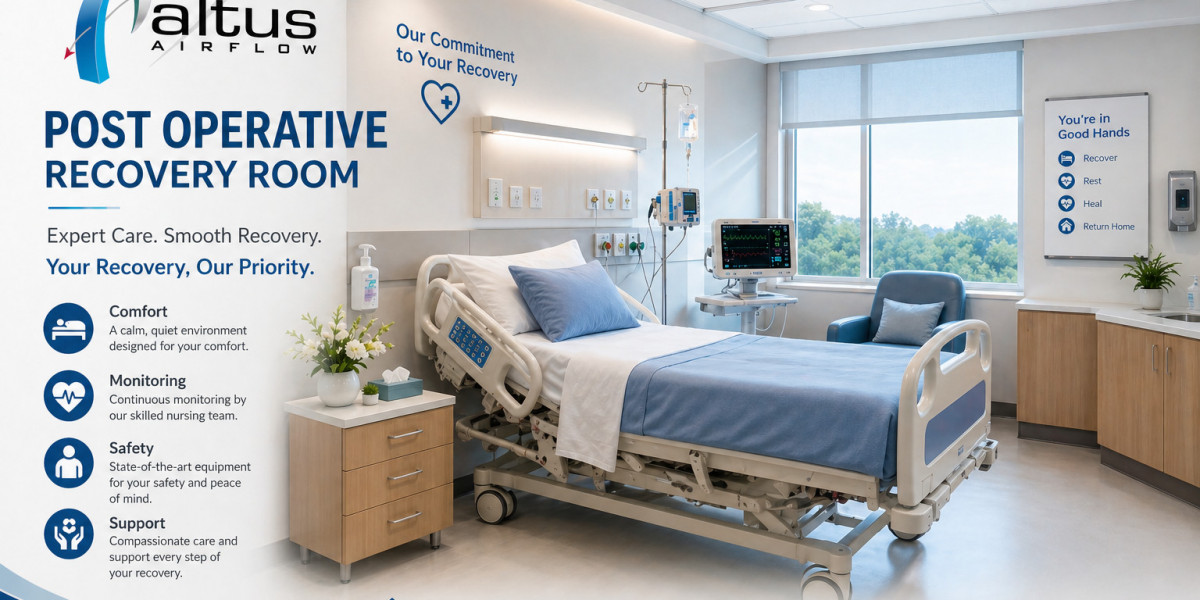
In modern healthcare facilities, the immediate period after surgery is one of the most critical phases in a patient’s recovery journey. The Post Operative Recovery Room is specifically designed to provide continuous monitoring, rapid response, and specialized care as patients regain consciousness and stabilize after surgical procedures. This space serves as a bridge between the operating theatre and general wards, ensuring that any complications are identified and managed without delay.
Emergency readiness is a key aspect of recovery room design. Hospitals must ensure that these rooms are equipped with advanced medical equipment, efficient layouts, and safety systems that support both patient care and medical staff efficiency. A well-planned recovery room not only improves patient outcomes but also enhances the overall quality of healthcare delivery.
Importance of Emergency-Ready Recovery Rooms
The post-operative phase can involve sudden changes in a patient’s condition, including fluctuations in vital signs, respiratory challenges, or reactions to anesthesia. An emergency-ready Post Operative Recovery Room ensures that medical teams can respond instantly to such situations.
Key benefits include:
- Continuous monitoring of vital signs
- Immediate access to life-saving equipment
- Reduced risk of complications
- Faster stabilization of patients
- Improved patient safety and outcomes
This level of preparedness is essential for handling both routine recoveries and unexpected emergencies.
Key Design Elements of a Post Operative Recovery Room
Design plays a crucial role in ensuring efficiency and safety in recovery rooms.
1. Strategic Layout
The room should be organized to allow easy movement of medical staff and quick access to equipment. Beds should be positioned for clear visibility and monitoring.
2. Adequate Space
Sufficient space is required for equipment, staff movement, and emergency procedures without overcrowding.
3. Central Monitoring Station
A centralized system allows healthcare professionals to monitor multiple patients simultaneously.
4. Infection Control Measures
Use of antimicrobial surfaces, proper ventilation, and strict hygiene protocols help maintain a sterile environment.
5. Lighting and Environment
Soft, adjustable lighting and controlled temperature create a comfortable environment for patients.
Essential Equipment in Emergency Post Operative Recovery Rooms
A well-equipped recovery room includes a wide range of medical devices designed to support patient care.
1. Multiparameter Patient Monitors
Track vital signs such as heart rate, blood pressure, oxygen levels, and respiratory rate in real time.
2. Ventilators
Provide respiratory support for patients who have difficulty breathing after surgery.
3. Defibrillators
Used in cardiac emergencies to restore normal heart rhythm.
4. Oxygen Supply Systems
Ensure continuous oxygen delivery to patients in need.
5. Suction Machines
Help clear airways by removing fluids or secretions.
6. Infusion Pumps
Deliver medications and fluids in controlled amounts.
7. Emergency Crash Carts
Contain essential tools and medications for immediate emergency response.
8. Temperature Monitoring Devices
Maintain and monitor patient body temperature.
Role of Technology in Recovery Room Management
Advanced technology has transformed the way recovery rooms operate.
- Real-time digital monitoring systems
- Automated alerts for abnormal vital signs
- Integration with hospital information systems
- Remote monitoring capabilities
- Smart alarms for faster response
In a modern Post Operative Recovery Room, these technologies ensure accurate data tracking and quick decision-making, reducing the risk of complications.
Safety Measures in Recovery Room Design
Safety is a top priority in post-operative care.
Electrical Safety
Backup power systems ensure uninterrupted operation of critical equipment.
Fire Safety
Smoke detectors, alarms, and fire suppression systems are essential.
Patient Safety
Side rails, non-slip flooring, and secure bed positioning reduce risks.
Staff Safety
Ergonomic design and proper equipment placement prevent workplace injuries.
Ventilation and Environmental Control
Proper ventilation is crucial for maintaining air quality and preventing infections.
- HEPA filtration systems for clean air
- Controlled airflow to minimize contamination
- Temperature and humidity regulation
- Noise reduction for patient comfort
These factors contribute to a safe and healing environment.
Challenges in Setting Up Emergency Recovery Rooms
Hospitals may face several challenges when designing and equipping recovery rooms:
- High cost of advanced equipment
- Need for skilled and trained staff
- Space limitations in smaller facilities
- Regular maintenance and upgrades
Despite these challenges, investing in a well-designed recovery room is essential for quality healthcare.
Future Trends in Post Operative Recovery Rooms
Healthcare is continuously evolving, bringing new innovations to recovery room design.
- AI-based monitoring systems
- Wireless and wearable devices
- Smart beds with automated adjustments
- Integration with telemedicine
- Advanced infection control technologies
These advancements will further enhance patient safety and efficiency.
Conclusion
The Post Operative Recovery Room by Altus Airflow is a critical component of any healthcare facility, ensuring safe and effective care immediately after surgery. A well-designed emergency recovery room with advanced equipment and proper layout can significantly improve patient outcomes and reduce complications. By integrating modern technology, maintaining strict safety standards, and ensuring efficient design, hospitals can provide high-quality post-operative care. Investing in advanced recovery room solutions not only enhances patient safety but also strengthens the overall healthcare system.
FAQ
1. What is a Post Operative Recovery Room?
A Post Operative Recovery Room is a specialized area where patients are monitored after surgery until they regain stability.
2. What equipment is essential in a recovery room?
It includes patient monitors, ventilators, defibrillators, infusion pumps, and oxygen supply systems.
3. Why is emergency readiness important in recovery rooms?
It ensures immediate response to complications and improves patient safety.
4. How does technology improve recovery room care?
Technology enables real-time monitoring, automated alerts, and faster medical response.
5. What are the key design considerations for recovery rooms?
Space planning, ventilation, safety measures, and equipment accessibility are essential factors.
Read Our Previous Blog--------->Hospital Recovery Room Ventilation and Safety Solutions